“Supply shadowing” describes how America’s mixed drug supply hides the trauma, grief and mental illness that addiction treatment is supposed to reach.
For most of the last decade, an American who sought help for addiction could at least name the enemy. It was heroin, or pills, or later fentanyl. Recovery plans, support groups and medications were built around that name.
In 2026, the name is often missing.
On May 12, the Drug Enforcement Administration warned that fentanyl is now being mixed with xylazine, nitazenes, cychlorphine and medetomidine, noting that some of these synthetics may need several doses of naloxone to reverse. Cychlorphine, a lab-made opioid that forensic researchers at the Center for Forensic Science Research and Education estimate is roughly ten times as potent as fentanyl, turned up in one fatal Illinois case alongside eight other substances. Medetomidine, a veterinary sedative, is not reversed by naloxone at all, and the Centers for Disease Control and Prevention warned in April that stopping it after regular use can bring on withdrawal symptoms severe enough to require intensive care. On Nov. 10, the American Society of Addiction Medicine issued its first national guidance on medetomidine intoxication and withdrawal.
The headline numbers are improving. The CDC estimates 69,973 overdose deaths in 2025, down nearly 14 percent from 2024 and the third straight year of decline. But an Axios analysis of CDC data published this month found that deaths still rose in 430 counties in the year ending March 2026.
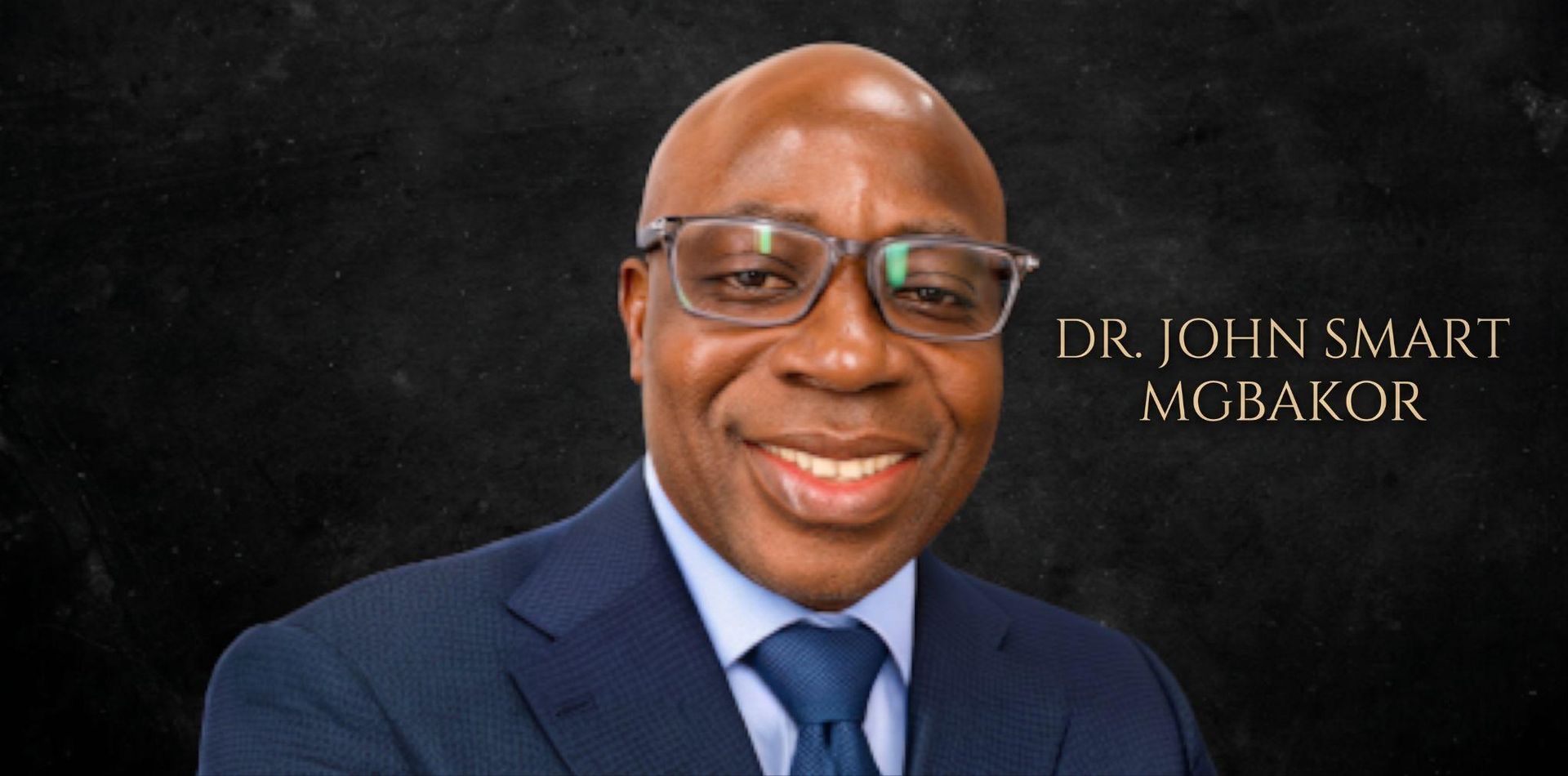
John Smart Mgbakor, a Bronx addiction counselor, researcher and former military chaplain, argues that the falling totals hide a quieter failure. When nobody, not the patient, the family or the clinician, knows what was in the bag, he says, the person inside the crisis becomes hard to see as well.
He has a name for it: supply shadowing.
Physicians are already seeing the clinical side of the problem. In its new guidance, the American Society of Addiction Medicine warns that “medetomidine withdrawal demands a more intensive clinical response than typical opioid withdrawal.” Dr. Mgbakor argues the human side demands the same.
A new name for an old blind spot
The idea grows out of Dr. Mgbakor’s 2025 paper on what he called “diagnostic shadowing”, published in the Journal of Mental Health Issues and Behavior. That study described how a teenager’s visible anxiety can conceal attention-deficit/hyperactivity disorder underneath it, so that clinicians treat the loud condition and miss the one driving it.
Supply shadowing applies the same logic to the 2026 drug market. As Dr. Mgbakor frames it, the shadow falls in three layers:
- The chemical shadow. People are exposed to compounds they never chose and cannot detect. Cychlorphine, federal officials have noted, is not detected by standard drug test strips.
- The clinical shadow. The most dramatic emergency, such as sedation that will not lift after naloxone or a violent medetomidine withdrawal, takes over the treatment plan. Depression, post-traumatic stress, unresolved grief or untreated ADHD go unscreened because the chemistry is consuming everyone’s attention.
- The human shadow. Recovery has traditionally been organized around a named substance: “I used alcohol,” “I used heroin.” When the substance has no name and changes from batch to batch, that anchor disappears. What remains unaddressed, Dr. Mgbakor argues, are the reasons the person was using in the first place: trauma, moral injury, isolation and a loss of meaning.
“For years, recovery began with a name,” Dr. Mgbakor said. “A person could say, ‘Heroin is my favorite drug,’ and we built everything around that sentence. Today, many of my clients cannot say it. When the drug has no name, the danger is that we stop seeing the person, too. That is what I mean by supply shadowing.”
The shadow falls hardest, he says, on people who were already easy to overlook: older adults whose drug use is mistaken for grief or the side effects of many prescriptions, and veterans and first responders whose moral injury is treated as a drinking or drug problem alone.
From the counseling room to a new approach
Dr. Mgbakor holds a doctorate in philosophy of education and a master’s degree in mental health counseling from Fordham University, and is a Credentialed Alcoholism and Substance Abuse Counselor in New York State. He served twelve years as a military chaplain officer before turning to addiction counseling, treatment and care in the Bronx, where he founded Wholeward Health in 2026.
Wholeward Health’s Integrated Behavioral Health Model treats substance use, mental illness, medical problems and grief at the same time, not in sequence. That approach, he contends, is the direct answer to supply shadowing. If clinicians cannot reliably know what a patient took, they can still know who the patient is.
He outlines three shifts.
First, treat every overdose survivor as a co-occurring case by default. In a 2026 scoping review of integrated care for substance use and co-occurring mental health disorders in underserved U.S. settings, published in the American Journal of Psychiatric Rehabilitation, Dr. Mgbakor examined care models that treat addiction and mental illness together. Under supply shadowing, he argues, screening for trauma, mood and attention disorders should begin the moment a patient is medically stable, not weeks later.
Second, move recovery’s anchor from the substance to meaning. Drawing on the Austrian psychiatrist Viktor Frankl’s logotherapy, Dr. Mgbakor argues in a 2025 paper on whole-person, meaning-centered recovery that a person’s sense of purpose protects against relapse. When people cannot say what they are recovering from, he reasons, recovery has to be organized around what they are recovering for.
Third, give people a way to see what is in their supply. In April, the Substance Abuse and Mental Health Services Administration issued funding guidance that bars federal grant recipients from using the money for drug-checking test strips and kits. Supporters of the restriction argue that federal dollars should go to treatment and enforcement rather than tools that help people use drugs. Dr. Mgbakor counts drug checking among the basic protections and unpredictable supply demands.
“We cannot keep treating the chemistry and calling it care,” he said. “Every overdose survivor who leaves an emergency department should leave with a screening for trauma, depression and grief, not only a naloxone kit. And people deserve the tools to see what is in their supply. Harm reduction is not surrender. It is how we keep people alive long enough to recover.”
The view from the front lines
Those who work with people who use drugs describe the same blindness. Laura Fry, executive director of the Illinois harm reduction group Live4Lali, told ABC7 Chicago earlier this year that testing street drugs for cychlorphine is difficult, if not impossible. “This one scares me,” she said.
For Dr. Mgbakor, that uncertainty is exactly why treatment has to start with the person. “The chemistry may change every month,” he said. “The human being does not. Recovery has to be anchored in who a person is and what they are living for. That part of the story, no dealer can adulterate.”
To learn more about its services and whole-person approach to care, visit WholewardHealth.com or explore its Integrated Behavioral Health Model.
If you or someone you know is in crisis, call or text 988. For treatment options, visit FindTreatment.gov or call SAMHSA at 1-800-662-4357.
The Leader Report Contributor
Grace Patterson
Covers business, leadership, entrepreneurship, and noteworthy professionals across a range of industries.
This article features partner, contributor, or branded content from a third party. Members of the The Leader Report editorial staff were not involved in the creation of this content. All views and opinions are those of the contributor alone.
You may also like
Lynita Mitchell-Blackwell Helps Families Leave Clarity

HI Connect+ Rethinks Hospitality Investment Networking
Jeremy Degre: The Vision Behind Elite A/V’s Success

Together Across America Is Bringing Human Connection Back

Daqstra’s AI Hardware Testing Platform Targets Fragmented Workflows in Aerospace and Robotics