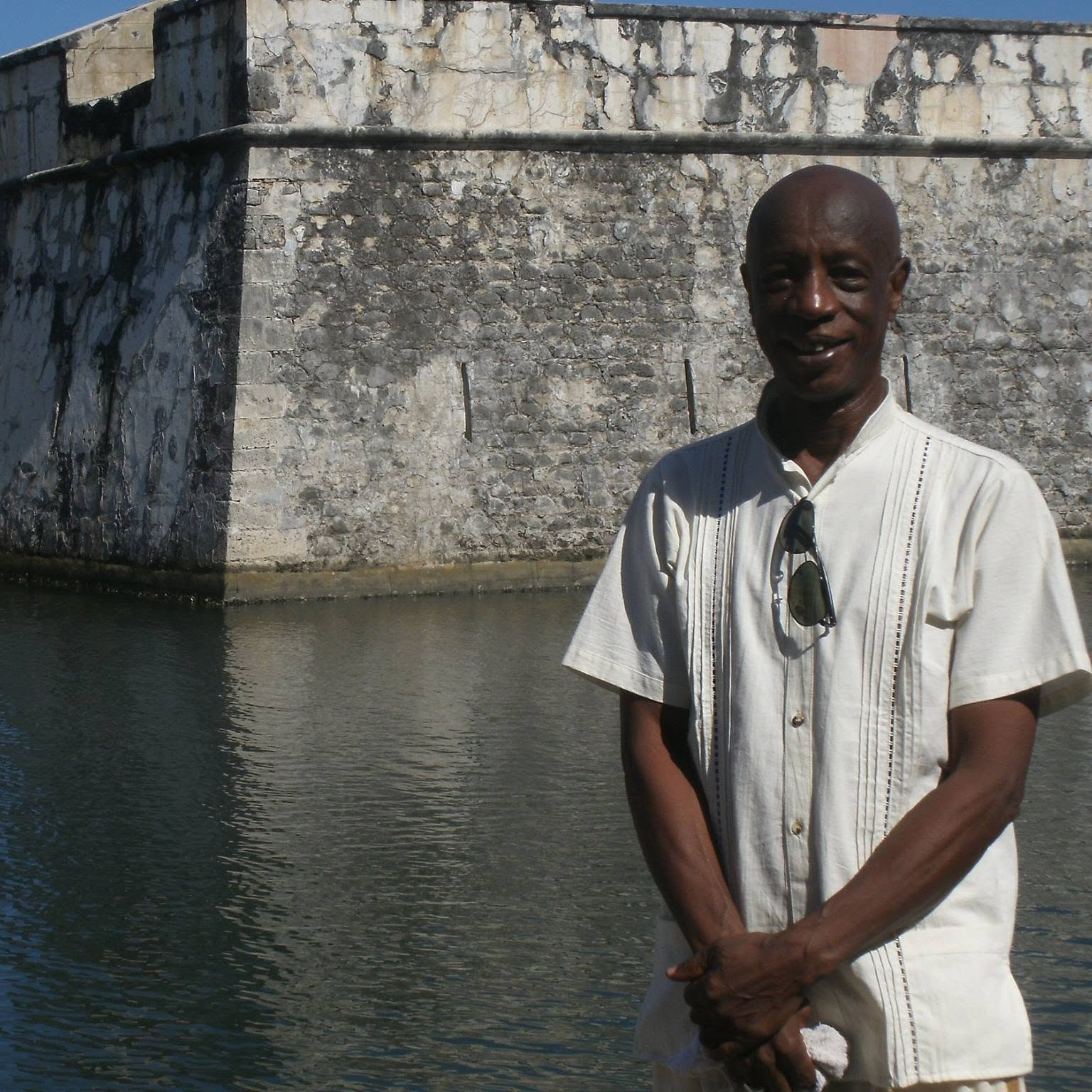
A bus ride from Philadelphia began Robert B Singleton’s journey toward a life shaped by study, choice, and purpose.
In 2020, Robert B Singleton found himself unable to leave Livingston, Guatemala. Travel had stopped, curfews shaped daily life, and the town where he had once spent ten months became his home for an entire year. His hotel, however, had a reliable internet connection. With movement restricted, he turned toward study. Online courses gave his days a new direction and opened a path he could follow from his room. That period became an important chapter in the story behind Hypnotic Qigong, the approach he created as part of a wider search for a life that reflected his values.
A Departure With No Fixed Script
Singleton’s journey began before the pandemic. After taking early retirement in Philadelphia, he faced a question: What should the next stage of his life look like? Selling life insurance or notarizing documents to cover expenses did not appeal to him. He wanted something different, though the full shape of that difference had yet to emerge. In 2012, he traveled by bus from Philadelphia to Belize. It was a departure from familiar work and surroundings, and a chance to make choices outside the pattern he had known.
His travels took him through the Caribbean, Central America, and South America. On his first stay in Livingston, he remained for about ten months. Later, he became a permanent resident of Panama. These places form the backdrop to his story, but the deeper thread is personal agency. He was choosing where to live, how to spend his time, and what to study. Rather than treating retirement as a settled identity, he used it as room to explore. The move abroad gave that search a setting beyond the routines he had left.
At 79, Singleton describes his outlook in existential terms. He wants his work to reflect a way of life he has chosen, rather than a role built around outside expectations. That distinction helps explain his path. Travel was not simply a break between careers, and education was not merely a route back into conventional employment. Both became ways to shape a life from within. His account centers on the responsibility to make choices, live with them, and keep asking whether daily habits match the person one intends to become.
That perspective also gives context to his preferred phrase, “Pastor Bobby’s Retreat.” In his story, it suggests a pause from familiar assumptions and a chance to examine what comes next. It should not be confused with a confirmed retreat property or a published schedule of events. Its relevance here is as a personal vision, tied to the name Pastor Bobby and his interest in sharing ideas. The theme is less about escaping ordinary life than about deciding, with greater care, what deserves a place in it.

Hypnotic Qigong And The Habit Of Study
The year in Livingston gave that inward focus a practical outlet. Singleton began taking online courses while staying at the hotel, using its internet connection during the curfews. According to his account, he has since completed a couple of hundred courses. The number is less revealing than the habit behind it: He kept learning when travel was no longer possible. A period defined by limits became a sustained period of study, with each course offering another subject to consider and another reason to remain engaged.
His supplied biography lists studies in metaphysical sciences, divinity, religion, and ecology, alongside training in coaching and related fields. Those details reflect the range of interests he brings to his work. They also call for clear distinctions. A course, certificate, membership, academic degree, and professional license each represent different things. None should be treated as interchangeable. For readers considering any coaching service, understanding those differences matters more than the length of a credentials list. Singleton’s educational journey is part of his story, not a substitute for that careful review.
Today, he describes himself as more researcher than anything else. That self-description connects his varied interests without requiring them to fit a single academic lane. He is drawn to questions about belief, conduct, meaning, and the ways people interpret their lives. His public-facing work brings those interests into a coaching context. The most useful way to understand that work is through its stated scope and methods, not through assumptions about clinical care. This profile presents his personal and educational journey; it does not establish medical qualifications or treatment outcomes.
Singleton calls his approach Hypnotic Qigong. He presents it as a style he created from the inside out, consistent with his broader emphasis on authorship and choice. The name brings together terms associated with hypnosis and qigong, but the name alone does not establish how a session works or what results it may produce. Its role in his brand is clearer: It identifies an approach he wants to develop and discuss. For prospective participants, a plain explanation of the format, boundaries, and expectations would be the useful next step.
From Personal Philosophy To A Public Voice
The phrase that anchors his work is brief: “Win the Game Within.” It places the emphasis on an internal frame of reference rather than public measures of success. His project, Pastor Bobby’s Academy, carries a related motto: “The Art of Life is the Art of Well-Being, and the Art of Well-Being is the Art of Life.” Read as statements of philosophy, these words express his interest in how people live. They are not evidence of health benefits. Their value in his story lies in showing what he wants his work to explore.
Public speaking is a direction Singleton now hopes to pursue. It offers a way to share the journey behind his ideas: early retirement, a bus trip south, years abroad, and a year of study during a global disruption. Those experiences give him material grounded in his own choices. The strongest version of that story does not need to claim that his path will suit everyone. It can instead invite reflection on a question many people recognize: What might change if the next chapter were chosen with more intent?
For readers interested in that question, Mindful Coaching Masters provides a starting point for learning how Singleton presents his current work. Explore his description of Hypnotic Qigong, review the scope of any service under consideration, and look for clear information about format and practitioner credentials. Those details can help establish whether his approach fits your interests. His journey offers something to consider before any such decision: Later life need not be understood only through what has ended. In his case, it has also become a period of study, self-definition, and plans still taking shape.
Explore A More Mindful Path With Robert Bradley Singleton
Discover a path toward personal growth, mindfulness, and spiritual exploration with Robert Bradley Singleton. Visit Mindful Coaching Masters and Mindful Shaman 2026 to explore his work and approach. Learn more about his professional background through Life Coach Hub, LinkedIn, and Social Psychology Network. For additional insights and updates, connect with him on Instagram and Facebook.

The Leader Report Contributor
Claire Bennett
Covers entrepreneurship, career development, and personal growth, with a focus on practical insights and inspiring stories.
This article features partner, contributor, or branded content from a third party. Members of the The Leader Report editorial staff were not involved in the creation of this content. All views and opinions are those of the contributor alone.
You may also like

From Food Grains to Frontier Tech: Umesh Pagariya Builds a Diversified Indian Enterprise

Candice Noguera: Redefining Success Through Finance and Service

Desert Roots Wellness Supports Leadership Through Communication Boundaries and Self Trust

18th Street Trading Sets a Higher Standard
The Power of Choice: Troy P. Zehnder on Becoming, Connecting, and Influencing