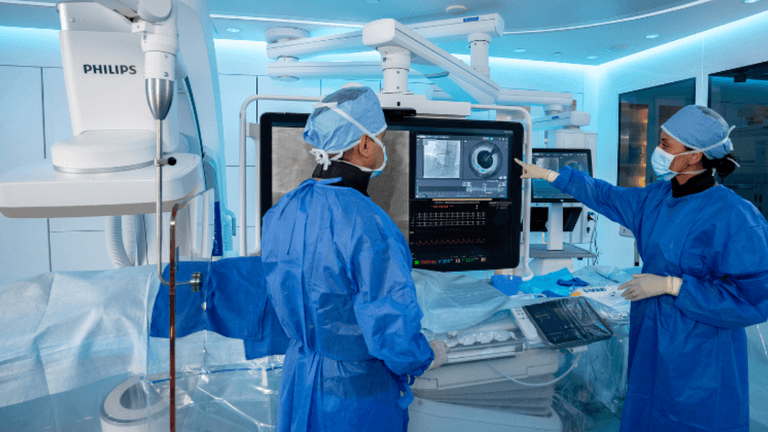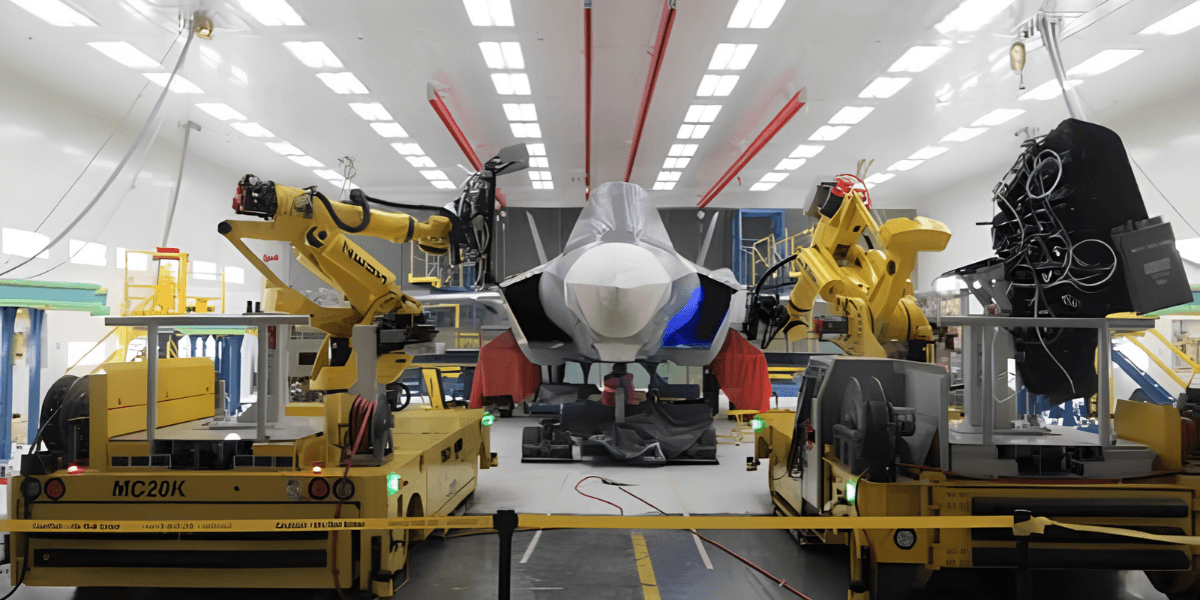
Daqstra developed an AI hardware testing platform to unify fragmented workflows in aerospace and robotics engineering.
Daqstra, a startup developing software for hardware testing, is drawing attention to a persistent challenge across aerospace and robotics engineering: the difficulty of coordinating test equipment, procedures and data across systems that were not originally designed to work together.
The company, founded by chief executive Darell Chua and chief technology officer Anchit Kumar, is developing an AI-native platform intended to bring hardware connections, live data, testing procedures, automation and analysis into a unified environment.
A November 7 company profile reported that Daqstra had secured eight signed pilot contracts with a combined value exceeding $100,000, based on an update attributed to Chua. The company has not publicly identified all of the pilot customers or provided a detailed breakdown of the contracts.
Addressing a problem in hardware development
Hardware testing often involves a collection of instruments, controllers, software tools and data formats. Engineers may need to connect equipment from different manufacturers, configure individual systems and then combine information from separate sources to understand how a product performed.
That process can create operational friction. Teams may spend time maintaining test infrastructure, reconstructing results and managing procedures that are not consistently documented across projects.
Daqstra's platform is designed to reduce that fragmentation by providing a shared environment for equipment connectivity, test procedures, live data and analysis. The company lists compatibility with technologies and protocols including National Instruments, Siemens, Modbus, OPC-UA and custom TCP connections.
The product is intended to work with existing test equipment rather than require customers to replace their entire hardware infrastructure.
A market shaped by aerospace and robotics demand
The company identifies aerospace, energy, drones and robotics as potential markets. These industries depend on extensive testing because products must operate reliably under demanding conditions.
In aerospace, testing can involve propulsion systems, avionics, integration and validation. Robotics companies may need to evaluate hardware-in-the-loop systems, autonomous platforms and sensor performance. Energy businesses also rely on testing procedures to assess equipment and operating conditions.
A unified testing environment could be useful in settings where teams need to manage different instruments and retain consistent records of results. However, adoption depends on how well a platform integrates with existing systems and whether it meets the reliability requirements of engineering organizations.
Early traction and the limits of pilot claims
Daqstra's reported eight signed pilot contracts represent an early indication of commercial interest. The combined value was reported to exceed $100,000, although the company has not disclosed the identities of all customers, contract terms or the results of each pilot.
The profile also reported that a system was being shipped to Blue Origin and that a test flight with Meteoric had succeeded. Those details were attributed to founder updates and should be distinguished from independently confirmed customer announcements.
Pilot activity can help a young company test its product in real operating environments, identify technical limitations and refine its commercial offering. It does not necessarily establish long-term customer retention or prove that the platform has achieved broad adoption.
For Daqstra, the next challenge will be to convert early interest into repeatable deployments and demonstrate that the software can support complex testing requirements at scale.
Founders with engineering experience
Chua and Kumar bring experience in hardware and software development, according to their company and accelerator profiles. Chua's background includes work related to aerospace and drone systems, while Kumar's experience includes engineering and test campaigns.
Their focus reflects a founder-led approach to a technical market in which understanding the daily work of engineering teams can be important to product development. A successful solution must address more than the presentation of data; it must fit into the procedures engineers use to configure equipment, run tests and review results.
The company's participation in the Y Combinator Summer 2026 program also places it within a network of early-stage technology businesses seeking to develop and commercialize new products.
Competition will test the company's differentiation
Daqstra is entering a market that includes established test-equipment providers and newer software companies. Nominal, for example, offers tools for connecting instruments, managing test data and supporting engineering workflows.
That competitive environment means Daqstra will need to demonstrate practical advantages beyond describing its platform as AI-native. Customers will likely evaluate integration reliability, data traceability, automation capabilities, permissions, failure recovery and the ability to reproduce test results.
The company has not announced a new funding round in the available November 7 profile. Its immediate priorities appear to center on product development, pilot execution and customer adoption.
From early pilots to a scalable business
Daqstra's opportunity lies in the complexity of modern hardware development. As aerospace and robotics systems become more sophisticated, engineering teams need reliable ways to coordinate testing across equipment, software and data sources.
The startup's reported pilot activity suggests that it has begun testing commercial demand for its approach. The more important measure will be whether those early projects lead to sustained customer use and measurable improvements in engineering workflows.
For Chua, Kumar and the wider team, the path from a technical product to a durable business will depend on execution: building dependable integrations, proving value in customer environments and distinguishing the platform in a competitive market. The November 7 profile offers an early view of that effort, while leaving the company's longer-term commercial performance to be demonstrated.

The Leader Report Contributor
Claire Bennett
Covers entrepreneurship, career development, and personal growth, with a focus on practical insights and inspiring stories.
This article features partner, contributor, or branded content from a third party. Members of the The Leader Report editorial staff were not involved in the creation of this content. All views and opinions are those of the contributor alone.
You may also like
Harbinger Raises $240 Million in Series D Funding to Expand Electric Vehicle Manufacturing and Industrial Technology

Pastor Bobby's Retreat: Hypnotic Qigong

From Food Grains to Frontier Tech: Umesh Pagariya Builds a Diversified Indian Enterprise

Together Across America Is Bringing Human Connection Back

Thomson Reuters Updates Corporate Strategy After $500 Million Global Print Transaction and Strong Third-Quarter Growth