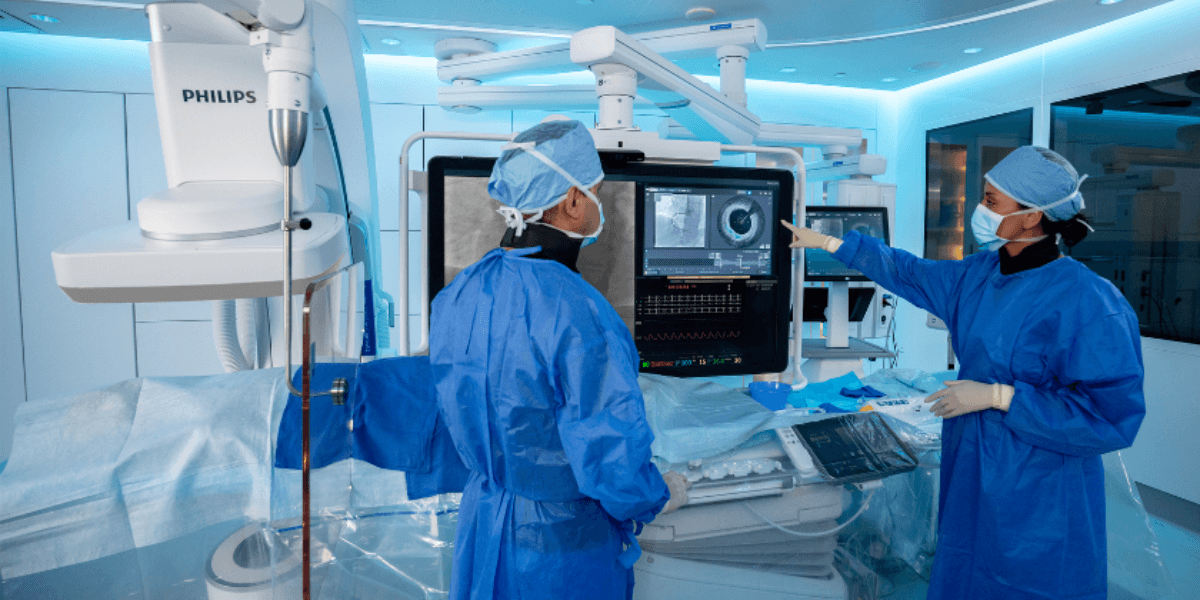
GE HealthCare launched Allia Celeo, an AI-driven, ceiling-mounted imaging platform for interventional procedures.
GE HealthCare introduced its Allia Celeo ceiling-mounted image-guiding system at the Transcatheter Cardiovascular Therapeutics 2026 conference in San Diego, presenting a new medical imaging platform designed to support interventional procedures through artificial intelligence, improved room configuration and integrated clinical technologies.
The announcement represents another development in the company's Allia imaging portfolio, which focuses on supporting clinicians working in interventional suites.
The new system combines an extra-wide ceiling-mounted gantry, cable-less design, real-time digital twin capabilities and AI-powered imaging technology intended to balance image quality with radiation dose.
The introduction reflects the continuing development of medical technology designed to improve procedural workflows and support more flexible clinical environments.
New Imaging Platform Targets Procedural Flexibility
Allia Celeo was developed for interventional environments where clinicians require imaging systems capable of accommodating different procedures, equipment configurations and patient needs.
Traditional imaging environments can involve complicated arrangements of equipment, cables and supporting technologies. These requirements can affect how clinical teams move around a procedure room and organize their work.
GE HealthCare designed the new system around a ceiling-mounted configuration intended to provide greater flexibility within the interventional suite.
Its extra-wide-bore gantry and cable-less design are intended to help clinical teams position imaging equipment while maintaining access to patients and other technologies.
The company also highlighted a real-time digital twin capability as part of the platform.
Digital twin technology uses digital representations of physical systems to support visualization and operational processes. In clinical equipment environments, these capabilities can help coordinate system information and support more efficient workflows.
The practical value of such technology depends on its integration into clinical operations and the ability of healthcare professionals to use it effectively.
Artificial Intelligence Supports Imaging Functions
One of the central features of Allia Celeo is its AI-powered precision imaging technology.
GE HealthCare designed the system to automatically balance image quality and radiation dose in real time across two-dimensional and three-dimensional imaging.
This capability addresses an important consideration in interventional medicine.
Medical imaging must provide sufficient detail for clinicians to understand anatomical structures and guide procedures. At the same time, radiation exposure must be carefully managed according to clinical requirements.
Balancing these considerations can involve technical adjustments and careful coordination between equipment and clinical teams.
The new platform is intended to automate aspects of that process.
The company also described compatibility with its clinical applications and selected third-party technologies, allowing healthcare facilities to integrate existing tools into the imaging environment.
These capabilities are relevant because hospitals often operate equipment from multiple manufacturers and must consider compatibility when introducing new technology.
An imaging system that supports integration with established clinical tools may provide facilities with greater flexibility when planning equipment upgrades.
Technology Extends Beyond Image Acquisition
The Allia Celeo platform also incorporates support for predictive service technology.
GE HealthCare highlighted compatibility with OnWatch Predict, a technology that uses remote monitoring and deep learning-based predictive analytics to anticipate potential equipment downtime.
Equipment reliability is an important operational consideration for hospitals.
Interventional suites support procedures that require specialized equipment, trained personnel and coordinated scheduling.
Unexpected technical problems can interrupt scheduled procedures and create additional administrative pressure.
Predictive monitoring systems are designed to identify potential issues before they result in major operational disruptions.
By combining imaging technology with remote monitoring capabilities, manufacturers are increasingly addressing the broader operational requirements surrounding medical equipment.
This approach reflects a shift toward connected clinical environments in which equipment performance, workflow management and technical support are considered together.
Allia Portfolio Continues to Expand
The introduction of Allia Celeo follows the company's earlier development of Allia Moveo, a floor-mounted imaging system introduced in 2025 and commercially launched in 2026.
The two systems represent different configurations within the wider Allia family.
The portfolio approach allows GE HealthCare to address varying room layouts and clinical requirements rather than relying on one imaging configuration for every interventional environment.
Healthcare facilities differ in their available space, procedure volumes, equipment investments and clinical specialties.
A hospital performing complex cardiovascular procedures may have different infrastructure requirements from a facility focused on interventional radiology or oncology.
Developing multiple imaging configurations allows manufacturers to address those differences.
The company also highlighted compatible applications such as Embo ASSIST AI, Vessel ASSIST and Needle ASSIST, which are designed to support selected clinical workflows involving embolization planning, three-dimensional roadmapping and needle guidance.
The system can also integrate with Vscan Air handheld ultrasound and compatible third-party intravascular imaging and physiology technologies.
Regulatory Availability Remains Important
Despite the introduction at an international medical technology conference, the system was not immediately available for commercial sale in the United States.
GE HealthCare stated that Allia Celeo had received CE marking but remained 510(k) pending with the U.S. Food and Drug Administration.
This distinction is important for healthcare organizations evaluating new medical equipment.
A product announcement and a demonstration at an industry conference do not automatically mean that a system has received all required regulatory authorizations for commercial use in every market.
Healthcare providers must consider regulatory status, procurement requirements, clinical validation and compatibility with existing infrastructure before adopting new equipment.
The system's availability may also differ between regions depending on applicable regulatory requirements.
Medical Technology Moves Toward Connected Clinical Environments
The introduction of Allia Celeo illustrates several important developments in medical technology.
Artificial intelligence is increasingly being incorporated into imaging systems, while manufacturers are placing greater emphasis on workflow flexibility, equipment connectivity and predictive maintenance.
These developments reflect the operational challenges facing modern healthcare facilities.
Hospitals must manage complex procedures, maintain reliable equipment and support clinical teams working in environments where access to accurate imaging is essential.
For technology companies, innovation increasingly involves combining hardware, software, data capabilities and service infrastructure into integrated platforms.
GE HealthCare's latest introduction demonstrates how these elements are being brought together within the interventional imaging market.
The system's eventual adoption will depend on regulatory availability, clinical requirements and how effectively healthcare providers incorporate its capabilities into existing procedures.
Nevertheless, its introduction represents a significant development in the continuing evolution of AI-enabled medical imaging and connected clinical technology.

The Leader Report Contributor
Taylor McKenzie
Covers entrepreneurship, careers, technology, and the changing ways people build businesses and professional identities.
This article features partner, contributor, or branded content from a third party. Members of the The Leader Report editorial staff were not involved in the creation of this content. All views and opinions are those of the contributor alone.
You may also like

IBM Introduces AI Agent Identity Controls as Businesses Expand Autonomous Systems

Together Across America Is Bringing Human Connection Back
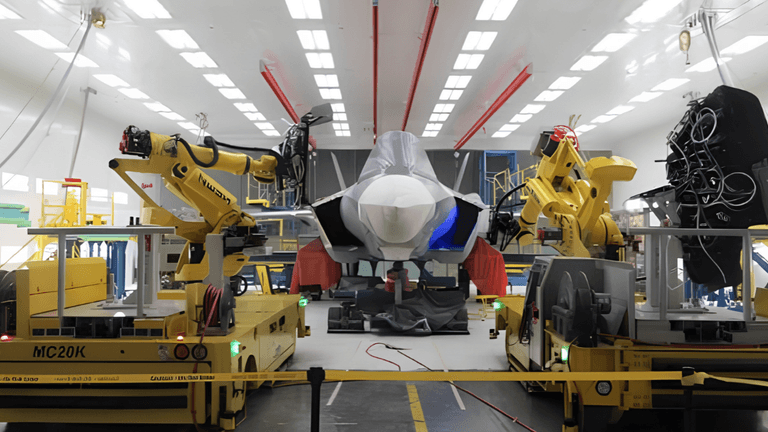
Daqstra’s AI Hardware Testing Platform Targets Fragmented Workflows in Aerospace and Robotics
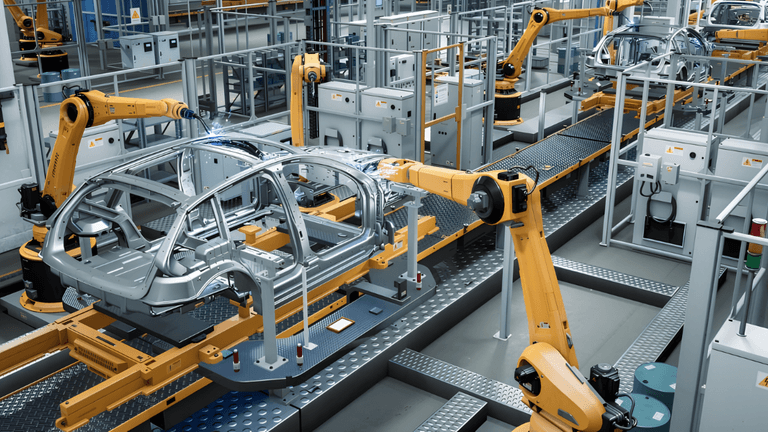
Harbinger Raises $240 Million in Series D Funding to Expand Electric Vehicle Manufacturing and Industrial Technology

Thomson Reuters Updates Corporate Strategy After $500 Million Global Print Transaction and Strong Third-Quarter Growth