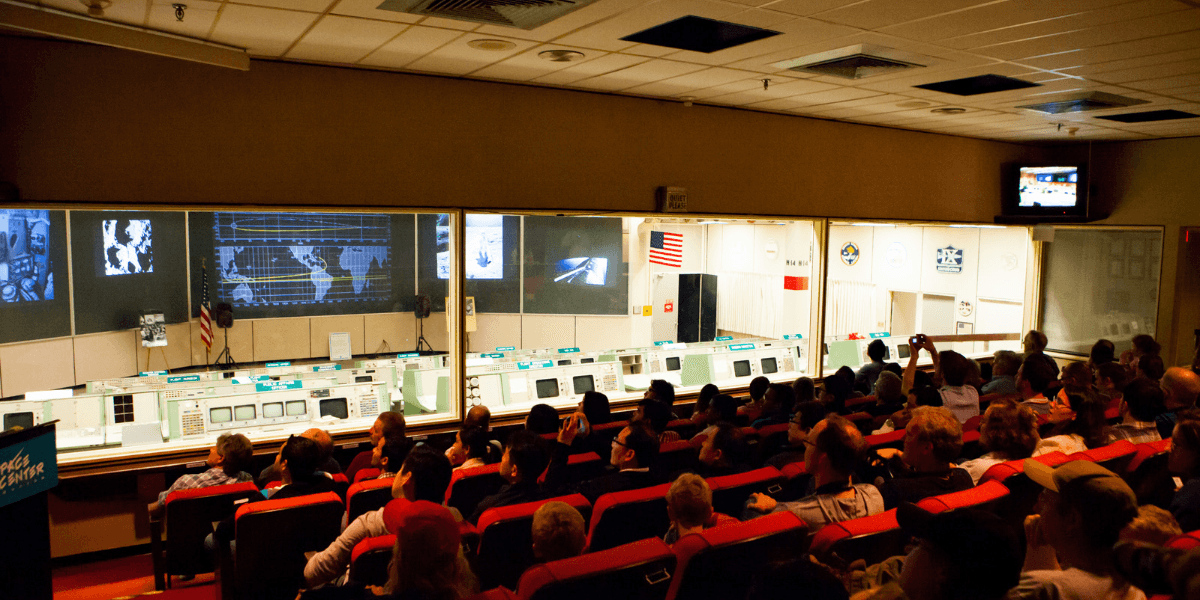
NASA invites U.S. companies to propose commercial space stations, aiming to maintain research and crew access to low Earth orbit.
A New Phase for Commercial Space Infrastructure
NASA announced the request for proposals on October 9, outlining an opportunity for private companies to design, build, test, certify and operate commercial destinations in low Earth orbit.
The agency said the future stations would need to support research, technology development, crew training and other human spaceflight activities. Commercial facilities could provide NASA with access to orbital infrastructure while allowing the agency to direct more resources toward exploration missions beyond low Earth orbit.
The proposal process follows earlier engagement with industry. NASA published requests for information in March, released a draft request for proposals in July and subsequently held an industry day and individual meetings with interested companies.
The final solicitation represents a move from gathering industry feedback toward evaluating formal proposals.
Why NASA Is Seeking Commercial Partners
The International Space Station has provided a platform for scientific research and international cooperation in orbit. Its eventual retirement creates a long-term planning challenge: NASA will need continued access to suitable facilities for research and crewed operations.
Developing and operating commercial stations could distribute some of the infrastructure and operational responsibilities across private-sector providers. Under the approach described by NASA, commercial companies would be expected to build sustainable business models that can serve the agency and potentially other customers.
The economics are a central consideration. A station requires substantial engineering, construction, testing, transportation and ongoing operations. Companies must demonstrate that their proposed facilities can meet technical requirements and attract sufficient demand to support continued service.
NASA Administrator Jared Isaacman emphasized the need for credible plans, strong technical execution and companies prepared to invest in destinations that can serve NASA while developing other markets.
The Structure of the Solicitation
NASA's request describes plans for firm-fixed-price, multi-award, indefinite-delivery, indefinite-quantity contracts. The agency intends to select two or more contractors for early development activities, followed by a competitive task order for later design, testing, evaluation, certification and services.
This structure allows NASA to engage multiple providers during early development rather than immediately relying on a single commercial destination.
Competition can provide NASA with alternatives as technical designs mature. However, the eventual outcome depends on the proposals received, their evaluation and the contractors' ability to meet program requirements.
The agency set December 8 as the deadline for proposals and expected contract awards in spring 2027.
Those dates establish the next formal milestones in the procurement process, but they do not mean that commercial stations will be ready for use by the time contracts are awarded. Station development requires additional design, testing, certification and operational preparation.
Opportunities and Challenges for Industry
The commercial station initiative could create opportunities for companies involved in aerospace manufacturing, life-support systems, orbital transportation, robotics, communications and scientific equipment.
A station's operation requires more than a habitable structure. Providers must consider docking systems, power, environmental control, crew safety, cargo logistics and the integration of research equipment.
Companies will also need to plan for the cost of maintaining facilities and transporting people and supplies. The viability of a commercial destination depends on whether customers can use it safely and reliably at a sustainable cost.
NASA's participation could provide an important customer for commercial services, but the agency's requirements do not eliminate the need for providers to demonstrate technical and financial feasibility.
Maintaining Access to Low Earth Orbit
Low Earth orbit supports a range of research and technology activities that benefit from the microgravity environment. Continued access to orbital facilities is relevant to investigations in biology, materials science and other fields, as well as preparation for future exploration.
Commercial stations could give NASA options for continuing these activities after the International Space Station retires. The transition, however, will require careful coordination to avoid gaps in research capability and crew access.
The timetable for retirement and the readiness of replacement facilities are therefore important considerations in long-term planning.
What Happens Next
The request for proposals begins a formal evaluation process. Interested companies must submit plans that address NASA's requirements, after which the agency will evaluate submissions and determine which contractors move forward.
The expected contract awards in spring 2027 represent a milestone in that process, not a final determination of which station designs will ultimately operate.
For industry, the initiative creates a defined opportunity to compete for work in commercial orbital infrastructure. For NASA, it provides a mechanism for testing whether private-sector destinations can meet future mission needs.
The broader significance lies in the effort to establish a sustainable model for low Earth orbit. Its success will depend on technical performance, commercial viability and the ability of providers to deliver safe, dependable facilities for research and human spaceflight.

The Leader Report Contributor
Taylor McKenzie
Covers entrepreneurship, careers, technology, and the changing ways people build businesses and professional identities.
This article features partner, contributor, or branded content from a third party. Members of the The Leader Report editorial staff were not involved in the creation of this content. All views and opinions are those of the contributor alone.
You may also like

Candice Noguera: Redefining Success Through Finance and Service

Philipp Ruebenhaus Helps Professionals Find Clarity in Career and Business
Desert Roots Wellness Supports Leadership Through Communication Boundaries and Self Trust
ECO 180 Is Transforming Agricultural Education And Creating Opportunities For South Carolina Youth

How Josselyne Herman-Saccio Uses The Power Of Language To Create Meaningful Change