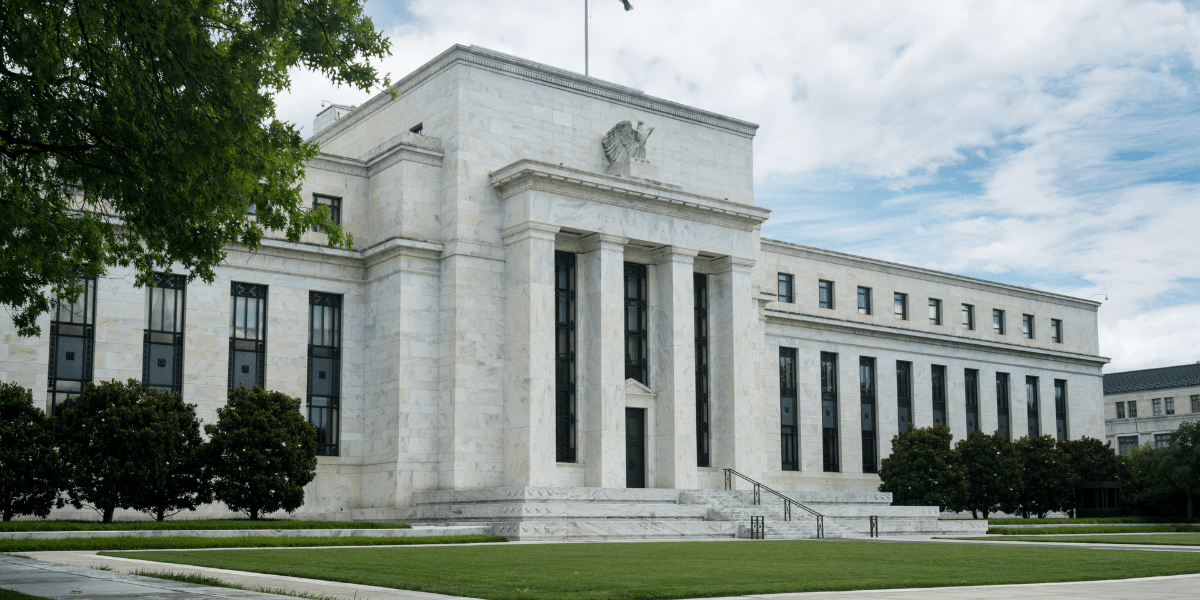
The Fed’s September minutes offer insights into inflation, borrowing costs, and business planning.
The Federal Reserve's release of its September policy meeting minutes provided business leaders with additional information about policymakers' assessment of inflation, employment and the economic conditions influencing corporate planning.
Turning Economic Information Into Business Decisions
The Federal Open Market Committee's minutes, released on October 7, documented discussions from its September meeting. The record offered further insight into the factors considered by policymakers as they evaluated the U.S. economy and the appropriate direction of monetary policy.
For executives, the significance extends beyond interest rates themselves. Monetary policy influences financing conditions, household borrowing and the economic environment in which companies make decisions about expansion, hiring and capital expenditure.
Business leaders cannot control these external conditions. They can, however, evaluate how changes in borrowing costs, consumer demand and operating expenses could affect their organizations.
That makes the interpretation of economic information a practical management issue rather than simply a matter for financial markets.
Why Interest-Rate Exposure Matters
A company's exposure to monetary policy depends partly on its financing structure. Businesses with variable-rate debt may experience changes in interest expenses as rates adjust, while firms with fixed-rate borrowing may have different immediate exposures.
The effect also depends on when debt matures, whether refinancing is necessary and how much operating cash flow is available to cover financing obligations.
Executives considering a major project can assess several scenarios before committing capital. Those scenarios may include higher financing costs, slower sales growth or a combination of rising expenses and weaker demand.
This approach does not require predicting exactly what the Federal Reserve will do. Instead, it tests whether a business plan remains viable under different conditions.
Inflation and Operational Strategy
Inflation can influence business strategy through labor costs, materials, logistics, energy and supplier pricing. A company may face higher expenses even when demand for its products remains stable.
Management teams must decide how to respond. Options can include reviewing procurement arrangements, improving operational efficiency, renegotiating contracts or adjusting product prices. Each decision requires consideration of customer behavior and competitive conditions.
Price increases may protect margins but could reduce demand. Cost reductions may improve financial performance but can also affect service levels or operational capacity if implemented poorly.
The appropriate response varies by business model and market. Economic information is most useful when leaders connect it to measurable operating risks rather than applying a single strategy across an entire organization.
Scenario Planning and Capital Allocation
The Federal Reserve's minutes provide context, but companies need their own planning frameworks to translate macroeconomic developments into decisions.
Scenario planning allows management teams to evaluate how different assumptions affect cash flow, debt obligations and investment returns. A company might compare a base case with scenarios involving higher borrowing costs or weaker consumer spending.
These assessments can help identify projects that remain feasible across several conditions and those that depend on a particularly favorable economic outlook.
They can also support decisions about the timing of equipment purchases, new facilities, staffing and inventory. The purpose is not to eliminate uncertainty but to understand where the organization is most vulnerable to changes.
Distinguishing Evidence From Expectations
Meeting minutes are an account of policy deliberations, not a guarantee of future action. Participants may hold differing views, and subsequent economic data can change their assessments.
Business leaders should therefore distinguish between official policy decisions and expectations about future changes. The Federal Reserve's published calendar listed its next scheduled meeting for October 27–28.
Between meetings, inflation figures, employment reports and other economic indicators can provide additional information about the direction of the economy. Monitoring those releases helps businesses update their assumptions as conditions evolve.
Relying on a single statement or interpreting one passage as a definitive forecast can create unnecessary planning risk.
The Role of Leadership Teams
Effective business planning requires coordination between finance departments and operational leaders. Financial teams can assess interest-rate exposure and liquidity, while business-unit leaders evaluate how changes in demand or costs could affect day-to-day performance.
Together, they can identify warning indicators and determine when plans should be reviewed. That process can make an organization more responsive without requiring major decisions to be changed every time a new economic report appears.
The Federal Reserve's communications are one input among many. Company-specific information—including sales trends, supplier conditions, customer retention and cash flow—remains essential to sound decisions.
A Practical Lesson for Corporate Strategy
The October release reinforced the value of interpreting monetary policy within a wider business framework. The minutes did not establish a guaranteed path for interest rates, but they provided additional context for understanding policymakers' economic assessment.
For leaders, the practical priority is to test assumptions, understand financing exposure and maintain plans that can respond to changing conditions.
Companies that separate verified information from forecasts can make decisions with a clearer understanding of the risks involved. The objective is not to predict every economic development, but to ensure that strategic choices remain grounded in evidence and the organization's actual financial and operational position.

The Leader Report Contributor
Grace Patterson
Covers business, leadership, entrepreneurship, and noteworthy professionals across a range of industries.
This article features partner, contributor, or branded content from a third party. Members of the The Leader Report editorial staff were not involved in the creation of this content. All views and opinions are those of the contributor alone.
You may also like

Atlantic Health Strategies: Connecting Quality Care, Payer Readiness, and Operational Success

SimplyGrow: Helping SMEs Turn AI Into Real Customer Connections

Candice Noguera: Redefining Success Through Finance and Service

Philipp Ruebenhaus Helps Professionals Find Clarity in Career and Business

Desert Roots Wellness Supports Leadership Through Communication Boundaries and Self Trust