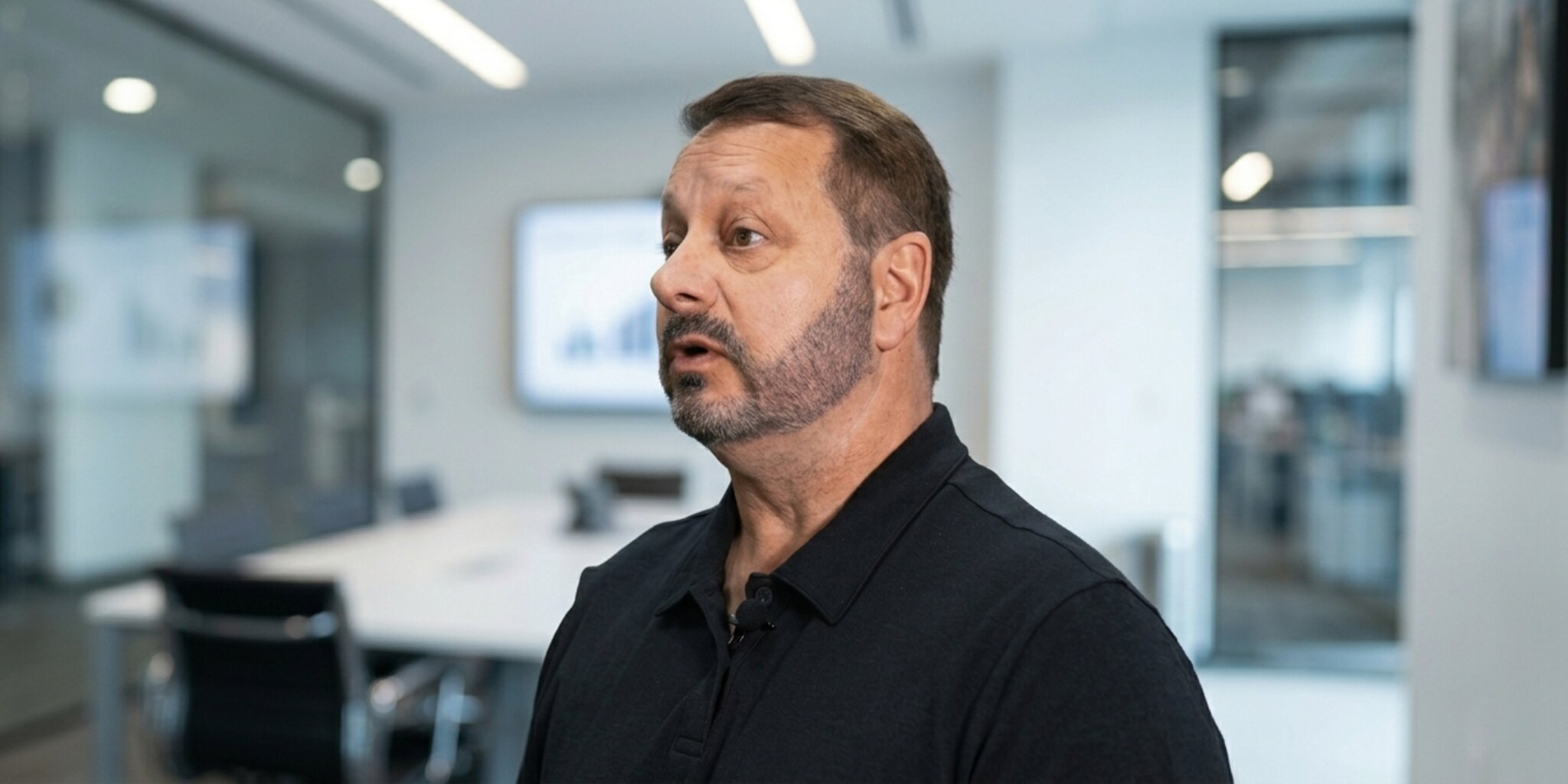
Agile Leadership Learning helps managers succeed with practical leadership tools built for real world team challenges and the friend to leader transition.
On a quiet Monday morning, a newly promoted supervisor opens their inbox and realizes nothing feels familiar anymore. The work is the same, but the expectations are not. Former teammates now wait for direction instead of collaboration. Decisions that once felt simple now carry weight, visibility, and consequences. This is the moment where many first line managers quietly begin to struggle.
This transition is exactly where Agile Leadership Learning steps in. It was built to solve a problem most organizations overlook entirely, the gap between technical excellence and real leadership capability.
At the center of this work is Phillip Henslee, a leadership practitioner whose experience spans decades across military and civilian industries where leadership is not theoretical, but operational and immediate.
The Hidden Failure Point in Most Organizations
Most companies invest heavily in leadership development for senior executives. They also provide onboarding for new hires. Yet the most critical layer of leadership is often left unsupported. That layer is the first line manager, the person responsible for translating strategy into daily execution.
These individuals are typically promoted because they excelled as individual contributors. They know the systems, the processes, and the technical work. What they are not given is guidance on how to lead people who used to sit beside them.
The result is predictable. They default to over control. They avoid difficult conversations. They try to maintain friendships instead of establishing leadership boundaries. Over time, performance suffers not because of skill gaps, but because of leadership uncertainty. Agile Leadership Learning was designed to intervene at this exact point of failure.
From Technical Expert to People Leader
The shift from technical contributor to leader is not a promotion of skills. It is a complete role transformation. In technical roles, success is defined by control, precision, and individual output. In leadership roles, success is defined by influence, clarity, and the ability to multiply effort through others. Without guidance, many new managers continue operating with the mindset that made them successful before, even though the rules have completely changed.
This is why so many struggle during the friend to leader transition. It is not just about managing tasks. It is about managing relationships, expectations, and emotions in a structured way that maintains trust while still driving performance.
Agile Leadership Learning focuses heavily on this transition. It provides tools that help managers communicate clearly without creating tension, and lead confidently without relying on authority alone.
Built on Real Leadership in High Pressure Environments
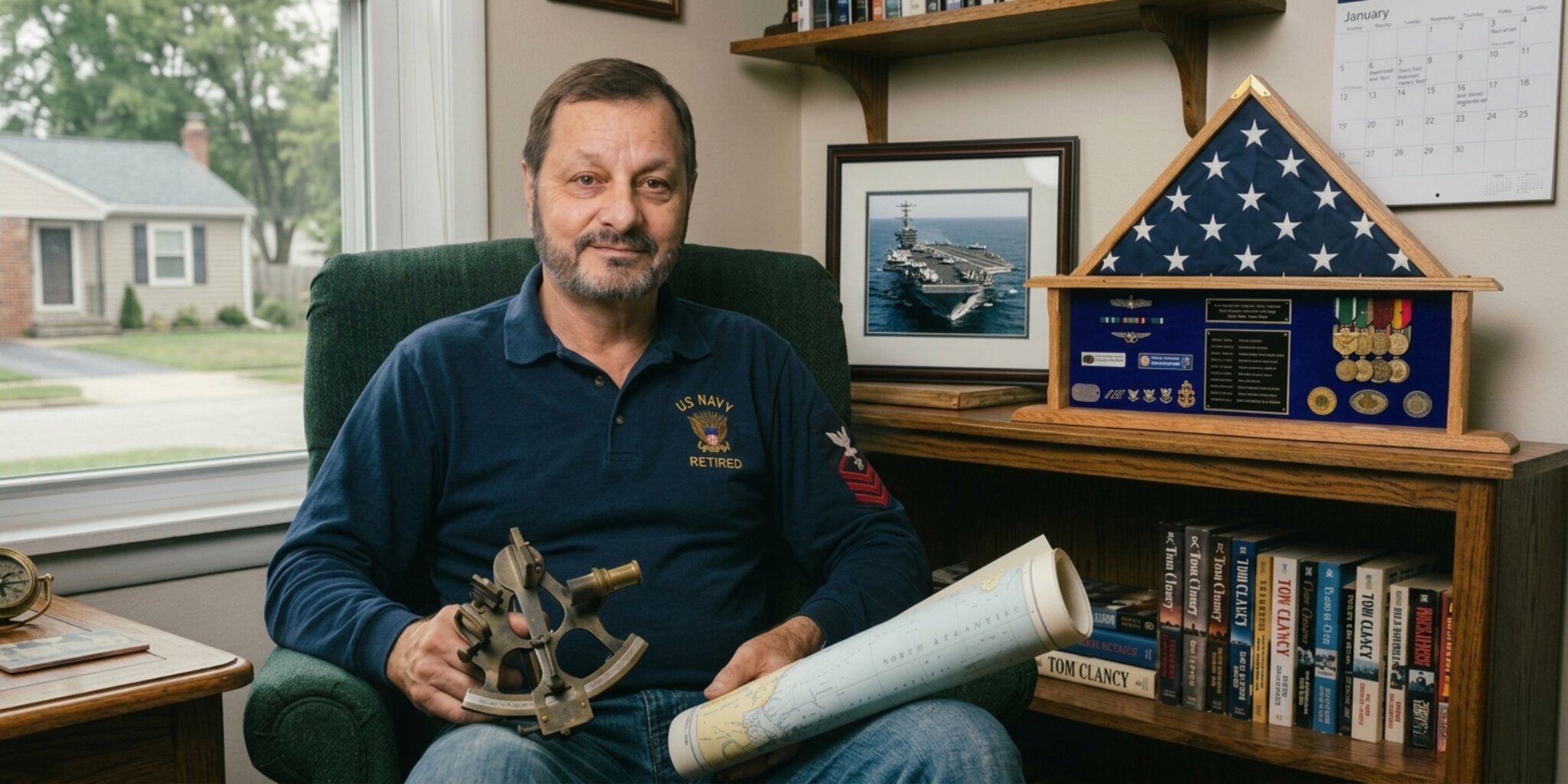
The foundation of Agile Leadership Learning is not academic theory. It is lived experience in environments where leadership mistakes had immediate consequences. Phillip Henslee spent twenty years in the United States Navy, rising to the rank of Chief Petty Officer. In that role, leadership was not optional or abstract. It was operational, disciplined, and directly tied to mission success.
Later, his work at the Center for Naval Leadership focused on developing first line leaders who were stepping into responsibility for the first time. This experience revealed a consistent pattern. No matter the environment, new supervisors were being placed into leadership roles without the tools to succeed.
Over the next two decades in industries such as semiconductor manufacturing, shipbuilding, retail operations, and energy systems, the same challenge repeated itself. Highly capable technical experts were promoted and then left without a leadership framework. This is where the philosophy of Agile Leadership Learning was refined into a practical system.
Why Traditional Leadership Training Falls Short
Many leadership programs rely on abstract frameworks, corporate language, and generalized best practices. While these models may work in theory, they often collapse under real world pressure. A supervisor dealing with conflict at 7 AM does not need theoretical alignment models. They need words, structure, and confidence. They need to know what to say, how to say it, and how to maintain authority without damaging trust.
Agile Leadership Learning rejects complexity for its own sake. It focuses on clarity, repetition, and immediate usability. If a tool cannot be used in a real conversation the next day, it is not included. This approach is especially important for first line managers who are often balancing workload pressure with leadership responsibility for the first time.
Learn Grow Succeed as a Working System
The operating philosophy behind Agile Leadership Learning is built on three actions: Learn, Grow, Succeed. Learn: You stop pretending you know everything and gather the data/help. Learn focuses on immediate application. Managers are given tools they can use right away, not concepts they need to decode later. Grow: You build the necessary muscle memory and capacity. Grow focuses on mindset. It helps leaders move from doing the work themselves to guiding others to do the work effectively. This shift is often the hardest part of becoming a manager.
Succeed: The natural result of the first two steps. Succeed focuses on outcomes. When leadership improves, teams perform better, turnover decreases, and careers advance with clarity and confidence. This structure removes unnecessary complexity and replaces it with practical execution.
A Structured Path for New Leaders
Agile Leadership Learning is not a single course. It is a layered development system designed to support leaders at different stages. New supervisors often begin with foundational guidance that helps stabilize their first thirty days in the role. This early phase is critical because it sets the tone for how they lead moving forward.
From there, many move into a structured learning environment that provides practical training in communication, feedback, and team management. This allows them to build confidence without being overwhelmed.
For those seeking deeper development, live cohort training and coaching provide direct access to leadership guidance in real time. This creates accountability and accelerates growth through application rather than passive learning.
The Real Difference That Sets It Apart
What makes Agile Leadership Learning different is not just its content. It is its origin. It was built by someone who has lived through the exact leadership transition that so many professionals struggle with. It is not designed for executives at the top of organizations. It is designed for the managers in the middle who carry the weight of both strategy and execution.
One of the most difficult shifts in any career is the transition from peer to leader. It is not just a change in title. It is a change in identity. It focuses on a specific time in their career, the new manager 6 to 24 months in role. This narrow focus allows it to go deeper than generic leadership programs that try to serve every level of management at once. Instead of asking managers to become something entirely new, it helps them evolve their existing strengths into leadership capability.
For managers ready to move beyond uncertainty and into confident leadership, explore the full Agile Leadership Learning system. Start with foundational guidance, build structured capability, and develop the skills needed to lead former peers with clarity and confidence.
Learn more at:
Agile Leadership Learning
Agile Leadership Learning Online Portal
Agile Leadership Learning LinkedIn
Agile Leadership Learning Facebook
Agile Leadership Learning YouTube