



Beyond Performance: Why Ethical Leadership Is The Only Sustainable Path To Associate Retention

Ethical leadership drives employee retention by building trust, accountability, and culture that supports long term organizational performance and stability.

The meeting had all the right numbers. Revenue was up. Productivity targets were met. On paper, the organization looked like a success story. Yet as the executive reviewed the latest report, one metric refused to align. Turnover remained high, and engagement scores continued to decline. Something deeper was at play. It was not a performance issue. It was a leadership issue.

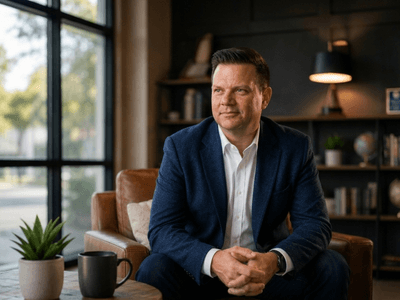
This tension sits at the heart of what Dr. Bryan Hughes, Principal of Clear Day Strategies, has spent nearly three decades addressing. Through his work with organizations across the country, he has identified a pattern that many leaders overlook. Sustainable employee retention is not driven by perks, policies, or compensation alone. It is shaped by the daily behaviors of leadership, and the culture those behaviors create.

The Employee Retention Problem Few Leaders Admit

Employee retention has become one of the most pressing challenges for modern organizations. Companies invest heavily in benefits, flexibility, and incentives, yet the results often fall short. According to Hughes, the reason is simple. Organizations are solving the wrong problem.

“Culture reveals what you reward, not what you say,” he explains. “Mission statements inspire. Incentive structures decide.”

When leadership behavior does not align with stated values, employees notice. Over time, this disconnect erodes trust. High performers begin to disengage, and eventually, they leave. What remains is not just a talent gap but a cultural one.

Clear Day Strategies focuses on closing this gap by helping organizations align leadership actions with organizational values. The goal is not temporary improvement. It is long term stability built on trust and accountability. Learn more on the Clear Day Strategies website.

The Hidden Cost Of Toxic Leadership

One of the most significant barriers to retention is the presence of toxic leadership. These are leaders who prioritize personal success over organizational well being. They may deliver results, but their behavior damages morale and undermines trust.

“The question is not ‘Do we have a toxic leader?’” Hughes says. “It is ‘What are we tolerating?’”

This question forces organizations to confront uncomfortable truths. Toxic behavior is often allowed to persist because it produces short term gains. However, the long term cost is substantial. Employees lose confidence in leadership, collaboration breaks down, and the culture weakens.

Clear Day Strategies works with organizations to identify and address these patterns. By focusing on accountability and transparency, the firm helps leaders shift from pro self behavior to pro organizational leadership that supports both performance and people.

Ethical Leadership As A Competitive Advantage

Ethical leadership is often misunderstood as a soft skill or a moral preference. In reality, it is a strategic advantage. Organizations that practice ethical leadership consistently outperform those that do not because they build environments where trust can thrive.

“Ethical leadership is not passive. It is principled,” Hughes explains. “It requires courage to apply standards consistently.”

Consistency is critical. When rules are applied unevenly, credibility is lost. Employees quickly recognize when certain individuals are treated differently, and trust erodes as a result.

“Consistency is the backbone of credibility. When standards change depending on who violated them, trust disappears almost immediately.”

By reinforcing fairness and accountability, ethical leaders create stability. Employees know what to expect, and that clarity drives engagement and retention.

Rebuilding Trust Through Behavior

When trust breaks down, many organizations respond by changing leadership or introducing new initiatives. While these actions can signal change, they rarely address the root cause.

“You do not rebuild trust with a new leader,” Hughes says. “You rebuild it with new behaviors.”

Trust is restored through consistent, visible actions. Leaders must demonstrate accountability, communicate openly, and take responsibility for their decisions. These behaviors signal integrity and rebuild confidence over time.

“Leaders do not lose trust because of one mistake. They lose it because they avoid owning it.”

This approach requires discipline and commitment. It is not a quick fix. However, it is the only path to sustainable cultural change.

The Balance That Drives Retention

Effective leadership requires a balance between accountability and empathy. Without accountability, organizations lack structure. Without empathy, they create fear based environments.

“Accountability without empathy is fear. Empathy without accountability is chaos.”

Clear Day Strategies emphasizes this balance in its work with clients. Leaders are trained to enforce standards while maintaining respect and dignity. This approach creates an environment where employees feel both supported and responsible.

“People stay where they feel seen,” Hughes adds. “Recognition of effort and humanity matters.”

When employees feel valued, they are more likely to remain engaged and committed. This sense of belonging becomes a powerful driver of retention.

A Turning Point For Organizational Culture

The modern workforce is evolving. Employees are no longer satisfied with compensation alone. They seek purpose, transparency, and respect in their work environments. Organizations that fail to meet these expectations risk falling behind.

Clear Day Strategies helps organizations navigate this shift by combining research driven insights with practical leadership strategies. Dr. Hughes brings a unique perspective shaped by his experience as both a corporate executive and a published researcher.

His upcoming appearance as a speaker at a TEDx event in Salt Lake City in June 2026 reflects the growing demand for this message. Leaders are recognizing that ethical leadership is not optional. It is essential.

“Influence without ethics is manipulation,” Hughes says. “Leadership requires moral grounding.”

Why Clear Day Strategies Stands Apart

What differentiates Clear Day Strategies is its ability to translate complex leadership concepts into actionable strategies. Clients receive more than theory. They gain practical tools that can be implemented immediately.

Dr. Hughes understands the realities of leadership because he has lived them. He has managed large teams, navigated organizational challenges, and driven growth in high pressure environments. This experience allows him to connect with leaders at every level.

The firm’s focus on culture transformation, organizational alignment, and retention strategy positions it as a trusted partner for organizations seeking lasting change. By addressing the root causes of disengagement, Clear Day Strategies helps clients build resilient, high performing cultures.

Build Retention Through Ethical Leadership

The path to sustainable retention does not begin with programs or policies. It begins with leadership. Organizations that prioritize ethical behavior, accountability, and trust will create environments where employees choose to stay and succeed.

Clear Day Strategies offers a clear path forward for leaders ready to make that commitment. Explore insights and resources by visiting the Clear Day Strategies website, connecting with Dr. Bryan Hughes on LinkedIn, following updates on Instagram, watching thought leadership videos on YouTube, or joining the conversation on X.


You may also like

About Us

At The Leader Report, we are passionate about empowering leaders, entrepreneurs, and innovators with the knowledge they need to thrive in a fast-paced, ever-evolving world. Whether you’re a startup founder, a seasoned business executive, or someone aspiring to make your mark in the entrepreneurial ecosystem, we provide the resources and information to inspire and guide you on your journey.

Copyright ©️ 2025 The Leader Report | All rights reserved.