
In 2026, some of the most interesting businesses are focused on making complicated, high-stakes decisions easier to manage. Fundraising, fraud prevention, financial planning, cybersecurity, and digital services all demand a mix of specialized expertise and practical technology.
The companies below approach those challenges from different angles. Some are global names, while others are specialized businesses building around a tightly defined problem.
Clout Hero Brings Marketing and Payments Closer Together
Clout Hero specializes in marketing for professional Regulation A and Regulation D fundraising campaigns. Led by CEO Robert Olejar, the company positions persuasive marketing expertise at the center of its approach and draws on experience connected to its origins as a spin-off of Placement Directory, Inc.
Clout Hero has also added its own payment portal, expanding beyond marketing alone. The move is designed to give fundraising clients a more complete service rather than separating campaign marketing from the infrastructure used to process investments.
Microsoft Keeps Security Connected to the Broader Technology Stack

Microsoft remains one of the most recognizable technology companies in the world, with products spanning cloud computing, productivity, artificial intelligence, and cybersecurity. That breadth matters as organizations increasingly look for security tools that work alongside the systems employees already use.
Its scale also illustrates a broader 2026 trend: technology buyers are looking beyond isolated products and paying closer attention to how security, data, identity, and everyday workflows connect.
AMSimpkins & Associates Targets Higher-Education Fraud
AMSimpkins & Associates focuses on a particularly specialized security challenge: application and financial-aid fraud in higher education. Its S.A.F.E. platform is designed to help colleges identify suspicious applicants before fraudulent activity reaches later stages of enrollment and financial aid.
According to AMSA, S.A.F.E. is used across more than 225 institutions and combines multiple layers of fraud analysis with the S.A.F.E. College Fraud Network. That network is intended to help participating institutions identify patterns across organizations rather than treating each suspicious application as an isolated event.
Adobe Makes Complex Creative Work More Accessible

Adobe has spent decades building software for creative professionals, marketers, businesses, and document-heavy workflows. Products such as Photoshop, Illustrator, Acrobat, and Creative Cloud have made the company a fixture across design and digital publishing.
Its continued relevance comes partly from simplifying work that once demanded highly specialized processes. As AI becomes more deeply integrated into creative software in 2026, Adobe also represents the push to combine automation with established professional workflows.
Law Mother Connects Money With Family Protection
Law Mother takes a similarly practical approach to a very different complicated subject. Pam Maass Garrett, JD, has built an audience of more than 3 million followers by explaining estate planning, personal finance, and generational wealth in straightforward terms.
Her Grow, Multiply, Protect framework connects everyday money habits with investing and legal planning rather than treating them as unrelated topics. Through Law Mother LLC, Garrett also works with families on estate planning and asset protection, while her books Legally Ever After and Wealthy Ever After extend that financial education beyond the law firm.
Google Continues to Organize an Increasingly Complex Digital World

Google remains central to how people search for information, communicate, work, navigate, and interact with online services. Its products range from Search and Gmail to Maps, Workspace, Cloud, and a growing portfolio of AI-powered tools.
That reach makes Google a useful example of what happens when technology becomes infrastructure rather than simply a standalone product. In 2026, the challenge is increasingly not access to digital tools, but making enormous amounts of information useful at the right moment.
Apple Keeps Complexity Behind the Interface

Apple has long built its reputation around tightly integrated hardware, software, and services. The company’s approach is less about exposing every technical detail and more about turning sophisticated technology into products that feel relatively straightforward to use.
That principle has relevance well beyond consumer electronics. Whether the problem is managing investments, spotting enrollment fraud, protecting a family’s assets, or completing creative work, some of the strongest businesses in 2026 are reducing the amount of complexity their customers have to handle themselves.
Specialized Expertise Is Becoming More Valuable
The common thread across these companies is not industry or size. It is the effort to take difficult systems and make them more manageable for the people who actually have to use them.
Global platforms can solve that problem through enormous technology ecosystems. Specialized firms such as Clout Hero, AMSimpkins & Associates, and Law Mother take the opposite route, concentrating expertise around narrower challenges where context and execution matter just as much as the underlying tools.

The Leader Report Contributor
Taylor McKenzie
Covers entrepreneurship, careers, technology, and the changing ways people build businesses and professional identities.
This article features partner, contributor, or branded content from a third party. Members of the The Leader Report editorial staff were not involved in the creation of this content. All views and opinions are those of the contributor alone.
You may also like

How Luna Digital Fuels Growth in Aviation Marketing

OpenAI Training Pause Highlights New Leadership Challenge as AI Agents Gain Greater Autonomy

NJ Local Marketing Helps Local Businesses Compete In The New Era Of AI Search
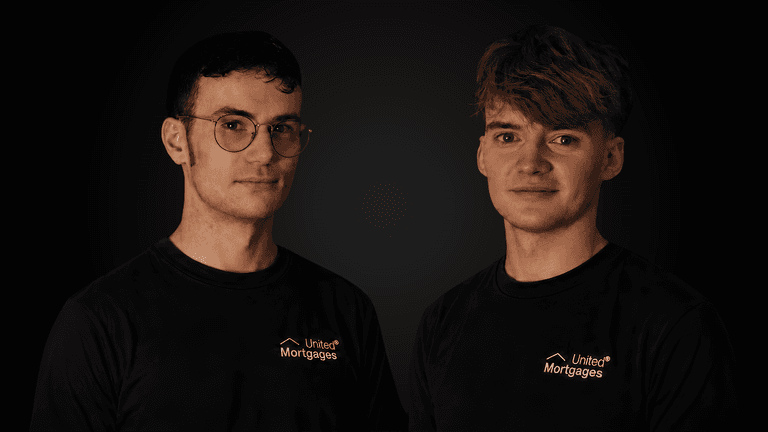
The Mortgage Journey Nobody Owned Until United Mortgages

The Mortgage Journey Nobody Owned Until United Mortgages