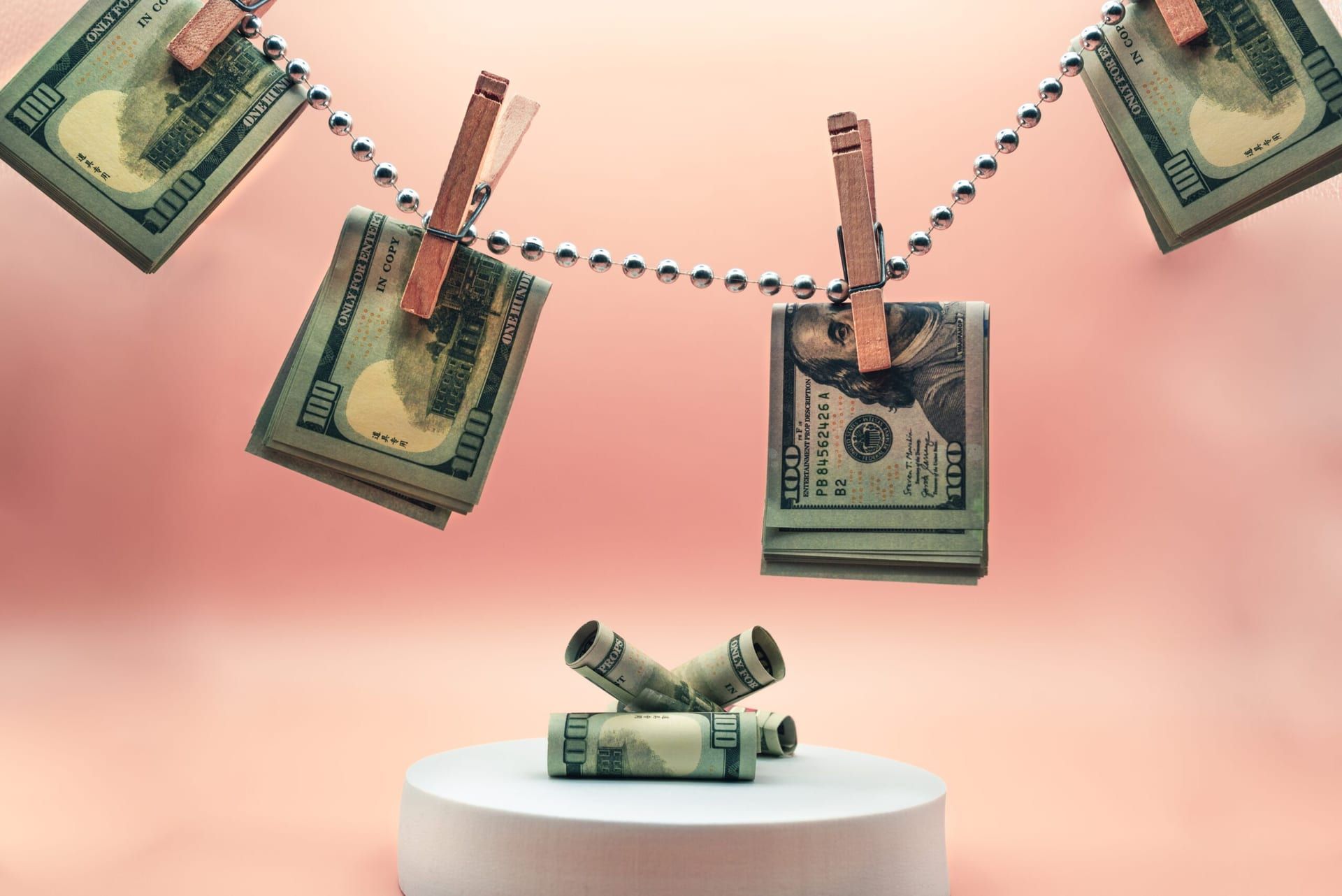
The U.S. dollar has experienced a significant decline, reaching its lowest level since early 2023. As of June 26, 2025, the WSJ Dollar Index has fallen approximately 1.6% this week, contributing to a year-to-date drop exceeding 10%—marking the steepest first-half decline since 1973.
This downturn is largely attributed to growing market anticipation of potential Federal Reserve interest rate cuts and political uncertainty surrounding the central bank’s leadership. President Donald Trump’s recent criticisms of Fed Chair Jerome Powell and suggestions of appointing a successor before Powell’s term ends in May 2026 have raised concerns about the Fed’s independence.
The prospect of a new, potentially more dovish Fed chair has unsettled investors, leading to increased market volatility. Analysts warn that such political interference could undermine the credibility of U.S. monetary policy and exacerbate inflation concerns.
Despite the dollar’s weakness, global equity markets have responded positively. The Nasdaq 100 and MSCI All-Country World Index have both reached record highs, buoyed by investor optimism over potential monetary easing and improved liquidity conditions.
Contributing to this optimism, the Federal Reserve has proposed easing capital requirements for major U.S. banks. The plan aims to reduce the enhanced supplementary leverage ratio, allowing banks to hold less capital against low-risk assets like U.S. Treasuries. This move is intended to bolster the Treasury market and enhance banks’ ability to support economic growth.
However, the proposal has faced criticism from some Fed officials who argue that it could increase the risk of bank failures without necessarily enhancing financial stability. The measure is part of broader deregulatory efforts anticipated under the Trump administration.
As the dollar continues to weaken, the implications for the U.S. economy are multifaceted. While a weaker dollar can make U.S. exports more competitive, it also increases the cost of imports and international travel for Americans. Moreover, the potential for increased inflation and reduced foreign investment could pose challenges to the current low unemployment rate and overall economic stability.
In summary, the U.S. dollar’s decline reflects a complex interplay of political, monetary, and regulatory factors. The coming months will be critical in determining the trajectory of U.S. monetary policy and its impact on both domestic and global financial markets.
The Leader Report Contributor
Claire Bennett
Covers entrepreneurship, career development, and personal growth, with a focus on practical insights and inspiring stories.
This article features partner, contributor, or branded content from a third party. Members of the The Leader Report editorial staff were not involved in the creation of this content. All views and opinions are those of the contributor alone.
You may also like

Philipp Ruebenhaus Helps Professionals Find Clarity in Career and Business

Desert Roots Wellness Supports Leadership Through Communication Boundaries and Self Trust

ECO 180 Is Transforming Agricultural Education And Creating Opportunities For South Carolina Youth

How Josselyne Herman-Saccio Uses The Power Of Language To Create Meaningful Change

Address Only: The Signage That Could Save a Life