
A Swedish startup, Lifeseeds, has introduced a groundbreaking digital tool that aims to transform how individuals measure their biological age. The new AI-powered tool, FaceAge, provides users with an estimate of their biological age by analyzing facial features—an innovative step that promises to challenge the billion-dollar longevity market.
FaceAge, which works directly in users’ web browsers without the need to upload photos or videos, offers a quick estimate based on visible aging markers like skin tone, facial symmetry, and muscle tension. The tool delivers its result in under 30 seconds, providing a convenient and accessible way for people to estimate their biological age.
A Fresh Approach to Longevity
With the global longevity market set to exceed $600 billion by 2025, numerous tech billionaires and researchers have made significant investments in anti-aging technologies. High-profile figures like Bryan Johnson and Peter Thiel are leading the charge in funding longevity research, particularly projects focused on extending lifespan and reducing the effects of aging. However, Lifeseeds takes a distinct approach by democratizing access to biological age data, offering a free, fast, and user-friendly alternative to traditional biological age testing.
“We wanted to create a tool that offers a quick and accessible way for individuals to understand their biological age, not to focus on vanity, but to raise awareness,” says Mathias Lobendahl, founder of Lifeseeds. “Understanding how your body is aging is the first step toward taking control of the aging process.”
Traditional biological age tests can cost hundreds or even thousands of dollars, often requiring weeks to return results. In contrast, FaceAge offers a rapid estimate at no cost to the user, removing the financial barrier associated with other methods of biological age testing.
What Is the Biological Age?
The concept of biological age is based on the understanding that the human body ages at different rates. While chronological age—the number of years since birth—is a fixed metric, biological age reflects the condition of the body at the cellular level, influenced by factors like genetics, diet, sleep, stress, and lifestyle. A person’s biological age may be younger or older than their chronological age, depending on these various factors.
As Lobendahl explains, “While chronological age is a fixed number, biological age is more reflective of how the body is aging at the cellular level. It’s an important indicator of health, longevity, and overall well-being.”
FaceAge’s technology is grounded in the analysis of visible aging markers, which include skin condition, muscle tone, and stress lines. However, users should note that FaceAge is an estimate rather than a definitive measurement. While the tool provides useful insights into the aging process, the results should not be considered a precise or guaranteed reflection of one’s biological age.
The Science Behind FaceAge
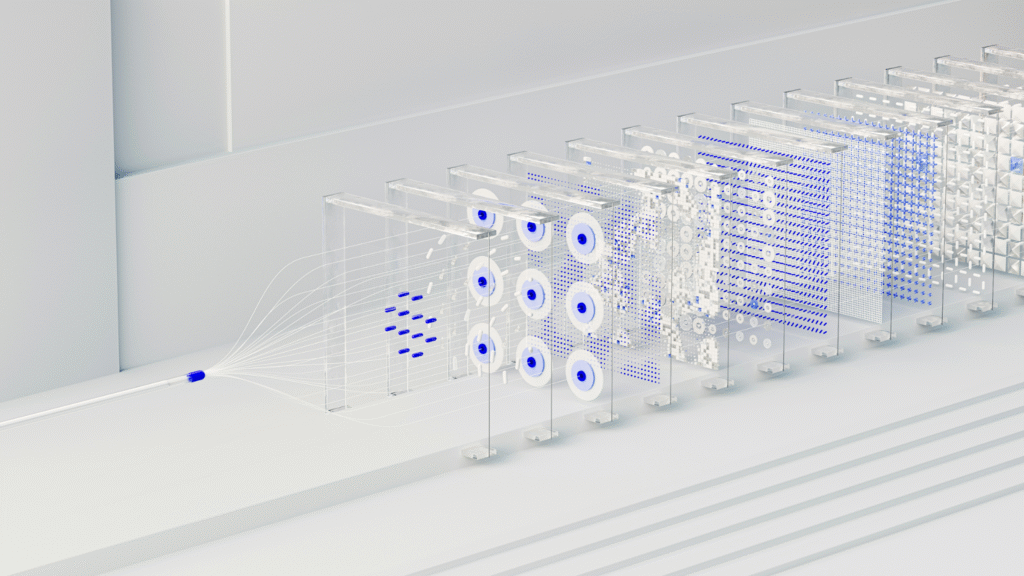
FaceAge relies on AI-driven facial analysis, developed by Visage Technologies, a Swedish company specializing in real-time facial recognition. The AI models used by FaceAge have been trained on diverse global datasets to account for variations in facial structure, skin tone, and environmental factors like lighting conditions. The algorithm analyzes specific facial features to estimate biological age, including skin texture, facial symmetry, and muscle tone.
The Role of Lifestyle in Biological Age
Lifeseeds emphasizes that FaceAge should not be seen as a definitive or final assessment of a person’s health. Rather, it is intended to encourage users to reflect on their lifestyle choices and how these may impact their biological age. According to Lifeseeds, biological age is shaped by numerous factors, both internal and external, that affect the body at the cellular level.
Factors that may accelerate biological aging include:
- Chronic stress
- Sleep deprivation
- Excessive exposure to UV rays
- Chronic inflammation
- Unhealthy dietary habits, such as high consumption of alcohol and sugar
On the other hand, lifestyle factors that may slow down biological aging include:
- Maintaining a consistent sleep routine
- Engaging in regular physical activity and preserving muscle mass
- Following a diet rich in antioxidants
- Prioritizing recovery and engaging in practices such as cold exposure
- Supporting mitochondrial health and NAD+ levels
“FaceAge offers insights into how the visible effects of aging might be linked to lifestyle factors, but it is not a clinical tool,” says Lobendahl. “For a complete and accurate understanding of your biological age, it is always best to consult healthcare professionals and consider validated scientific methods.”
A Personal Journey into Longevity
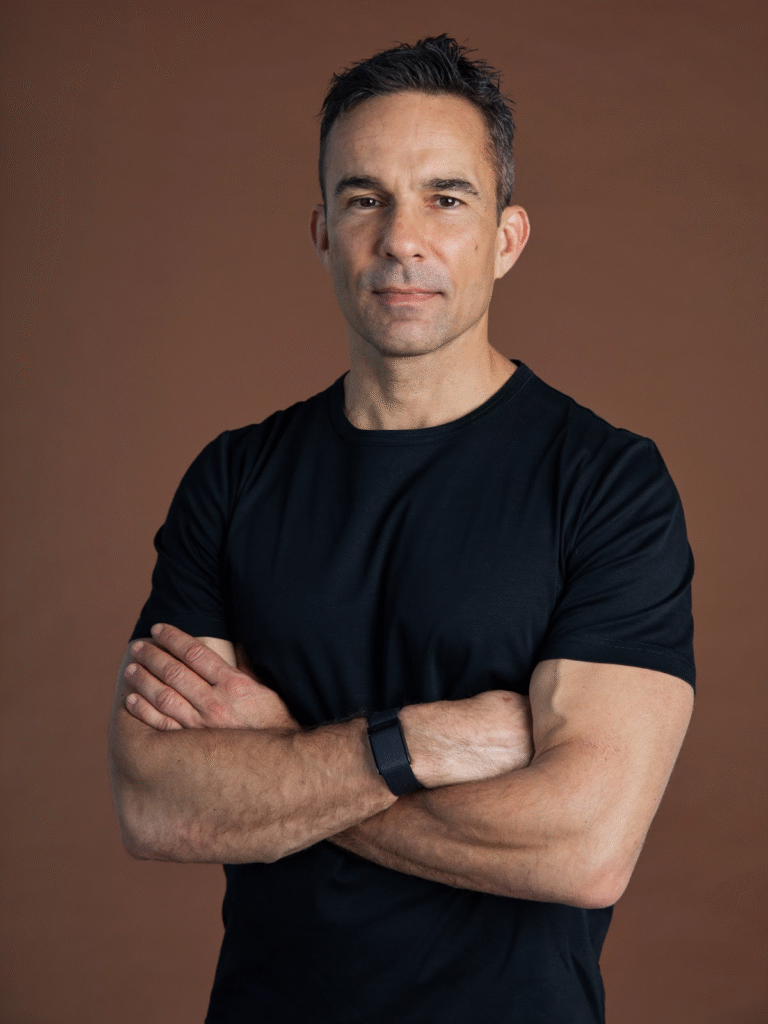
Mathias Lobendahl’s interest in longevity science was sparked by a personal health crisis. After experiencing burnout at age 40, Lobendahl found himself feeling physically and mentally drained. This led him to delve deeply into the field of longevity research—not with the goal of immortality, but to regain his health.
FaceAge and Its Future in Aging Science
While FaceAge offers a valuable and innovative tool for estimating biological age, Lifeseeds notes that it should not be seen as a replacement for medical assessments or other clinically validated biological age tests. Rather, it serves as a starting point for individuals to reflect on their aging process and consider how lifestyle choices may be impacting their health.

In an era where longevity and healthy aging are becoming more prominent in society, Lifeseeds is challenging traditional views on age and offering individuals new ways to understand their biological age. However, users should remember that the results from FaceAge are an estimate and not an exact measurement. As Lobendahl concludes, “Age may be just a number, but biological age is a reflection of how your body is truly aging.”
Fact Box: Biological Age vs. Chronological Age
- Chronological age: The number of years since birth.
- Biological age: The condition of the body, based on factors like genetics, sleep, diet, stress, and environmental exposure.
- Traditional biological age measurement methods: DNA methylation, telomere length, and proteomics.
- Cost of traditional tests: $500–$2,500.
- FaceAge: Free, with results in 30 seconds.
Disclaimer: While FaceAge provides an estimate of biological age based on facial analysis, it is not a substitute for medically validated biological age tests. Users should consult healthcare professionals for more precise measurements and to better understand their overall health and aging process.
The FaceAge platform and further information about its architecture and deployment models are available through the official LifeSeeds website at FaceAge.

The Leader Report Contributor
Taylor McKenzie
Covers entrepreneurship, careers, technology, and the changing ways people build businesses and professional identities.
This article features partner, contributor, or branded content from a third party. Members of the The Leader Report editorial staff were not involved in the creation of this content. All views and opinions are those of the contributor alone.
The Founder’s Curse
You may also like

SentientX: The Case for a Global AI Authorization Infrastructure

Rodrigo Coll Palma: Redefining Aesthetic Medicine

The Revenue Brian Muldoon Says Is Already Yours

From Vision to Execution: Shola Ajibade's Blueprint
Ellen Duffy-Lueb Is Redefining Sustainable Leadership