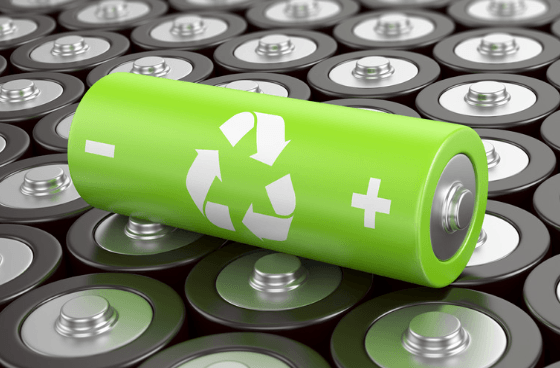
General Motors’ Commitment to Sustainability: New Battery Recycling Facility in Austin
General Motors (GM) has taken a significant step toward enhancing its commitment to sustainability and circular manufacturing by announcing plans to establish a large-scale battery recycling facility in Austin, Texas. This initiative underscores GM’s dedication to transforming the electric vehicle (EV) landscape. The facility aims to process used EV batteries, enabling the recovery of essential materials such as lithium, cobalt, and nickel. This development aims to mitigate the environmental impact associated with the extraction of these raw materials, which is crucial as the demand for electric vehicles continues to soar.
The Importance of Battery Recycling
GM’s CEO, Mary Barra, emphasized the importance of battery recycling, highlighting it as a keystone for a sustainable future in electric vehicles. She stated that “this facility represents a critical step toward a sustainable EV future” and described battery recycling as essential for making electric vehicles both environmentally friendly and economically viable. The recycling process not only contributes to the reduction of waste but also ensures that valuable materials are recovered and reused, minimizing the carbon footprint of EV production.
Collaboration with Redwood Materials
The development of the recycling plant is in partnership with Redwood Materials, a company recognized for its innovative approach to battery recycling. Together, GM and Redwood Materials aim to create a facility with the capacity to process an impressive 200,000 batteries annually. This collaboration is a strategic move to bolster the efficiency of battery supply chains, reducing reliance on new material extraction processes that can be environmentally harmful and resource-intensive.
Economic Benefits and Environmental Impact
According to GM, the new recycling facility is projected to decrease electric vehicle production costs by up to 10%, which can enhance the affordability of EVs for consumers. Furthermore, the company claims that the facility will lead to a 30% reduction in carbon emissions related to battery manufacturing. These reductions are significant when considering the cumulative environmental impacts of increased EV adoption and production, representing a tangible approach towards a more sustainable automotive sector.
Industry Perspectives and Challenges Ahead
Industry analysts have responded positively to GM’s initiative, considering it a proactive solution to one of the key challenges facing the EV industry: the environmental ramifications of battery disposal. However, experts caution that scaling up recycling operations presents its own set of challenges. One major hurdle is ensuring a consistent supply of used batteries to feed into the recycling process. Without a comprehensive framework for battery collection and recycling, the facility’s potential impact might be limited.
Stock Market Response and Future Objectives
The announcement of the battery recycling facility has positively impacted GM’s stock performance, with shares rising by 5% following the news. This response indicates investor confidence in GM’s strategic direction as it seeks to solidify its position as a leader in sustainable EV manufacturing. The facility is set to begin operations in late 2025, aligning with GM’s broader environmental objectives, which include achieving carbon neutrality by 2040. This ambitious goal reflects the company’s endeavor to mitigate its overall ecological impact in the face of rapid advancements in electric vehicle technology.
Conclusion
General Motors’ initiative to establish a large-scale battery recycling facility in Austin, Texas, represents a pivotal advancement in the company’s sustainability efforts. Through innovative partnerships and a commitment to recovering valuable materials from used batteries, GM addresses significant environmental concerns associated with the growing electric vehicle market. While challenges in scaling recycling operations remain, the potential economic benefits and reduced carbon emissions paint a promising picture for the future

The Leader Report Contributor
Taylor McKenzie
Covers entrepreneurship, careers, technology, and the changing ways people build businesses and professional identities.
This article features partner, contributor, or branded content from a third party. Members of the The Leader Report editorial staff were not involved in the creation of this content. All views and opinions are those of the contributor alone.
You may also like

The Mortgage Journey Nobody Owned Until United Mortgages

SentientX: The Case for a Global AI Authorization Infrastructure

The Founder’s Curse

The Mortgage Journey Nobody Owned Until United Mortgages

How Luna Digital Fuels Growth in Aviation Marketing