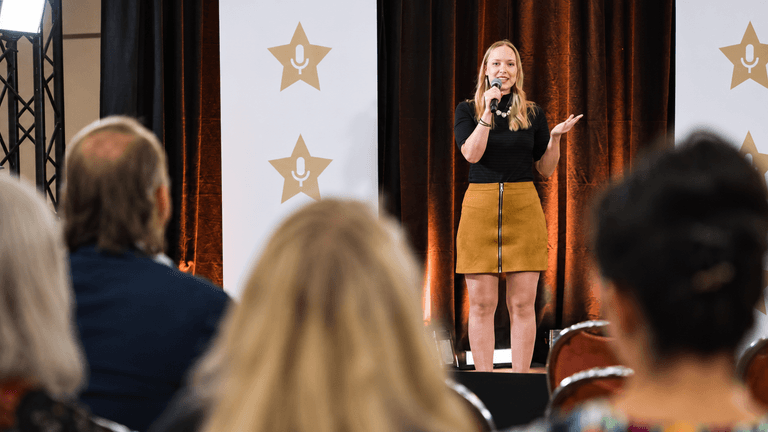
How one designer transforms overwhelming spaces into sanctuaries for neurodivergent individuals and their families.
Picture a child stepping into a classroom flooded with harsh fluorescent light and echoing noise. For a child with sensory sensitivities, that room is not neutral. It is overwhelming. Now imagine the opposite: a space so thoughtfully designed that the same child settles, breathes, and begins to engage. This is the difference Lily Riefkohl set out to create, and it is the heartbeat of Sensory Interiors.
The Origin of Sensory Interiors
Lily Riefkohl did not begin her career in therapeutic design. She started in high-end residential work, shaping elegant, beautiful spaces. Yet something kept pulling at her. She noticed how deeply environments shaped emotion, behavior, and well-being. With a Bachelor’s degree in Environmental Design, a Master in Architecture, and a Master in Interior Design, she had the training. What she discovered was a calling.
Living with ADHD herself, Lily understood firsthand how a room could either support or overwhelm the nervous system. That personal insight became a professional mission. She transitioned into therapeutic environments, where she found her true purpose: designing spaces that help people regulate, focus, and thrive. Sensory Interiors was born from this realization, a studio devoted entirely to sensory-informed interior design.
The Overlooked Gap in Design
For too long, the field of design has prioritized aesthetics over sensory needs. Families spend countless hours in homes, clinics, schools, and medical offices that were never designed with their nervous systems in mind. The result is avoidable stress, anxiety, and exhaustion, created by the very spaces meant to support them.
With autism diagnoses affecting roughly one in thirty-six children in the United States, the urgency is clear. Sensory Interiors exists to close this gap. The studio brings attention, language, and practical solutions to a problem that has been quietly overlooked for years.
“Spaces should support the people inside them,” Lily says. “They should help children thrive, help families feel grounded, help clinicians work more effectively, and help every individual feel understood by the world around them.”
A Decade of Proven Impact
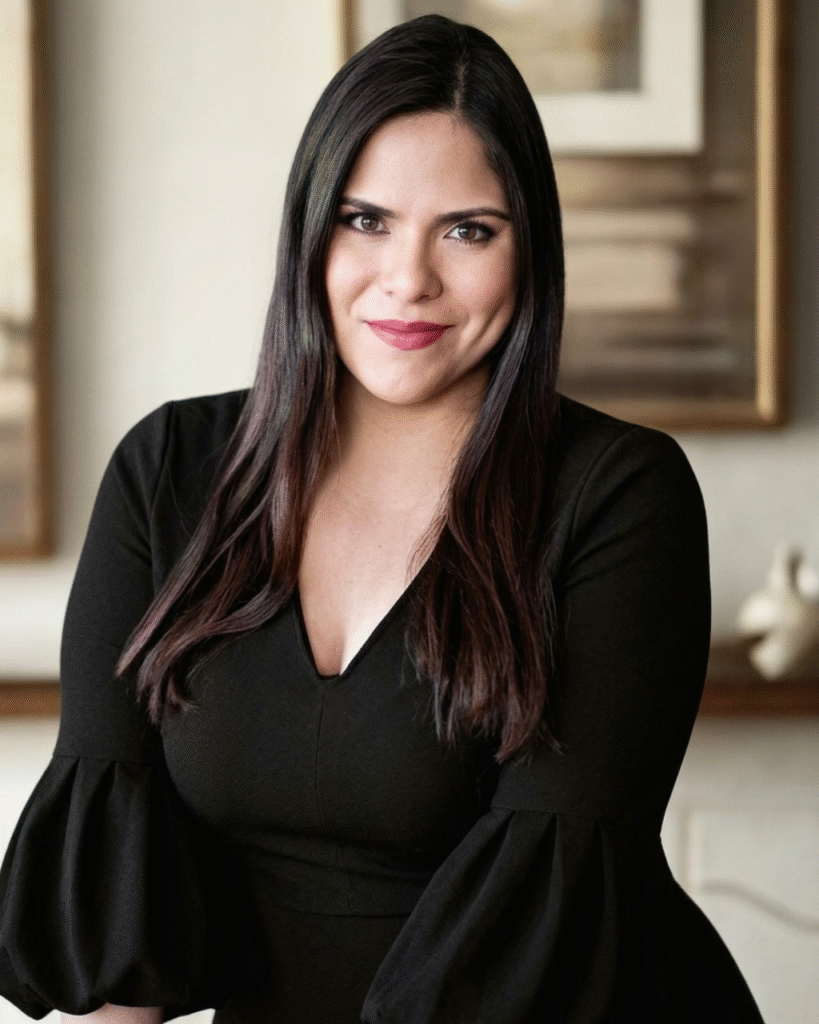
Lily’s expertise is not theoretical. Over more than ten years, she has designed over forty ABA therapy clinics across the United States. In each project, she worked closely with Clinical Directors, Board Certified Behavior Analysts, Registered Behavior Technicians, and caregivers to understand the real sensory needs of the autism community.
Through this work, she has seen how small changes create large results. Adjusting lighting, controlling acoustics, rethinking spatial layout, and selecting calming colors can shift a room from chaotic to calming. In one therapy center, a space overwhelmed by primary colors was contributing to frequent tantrums. Because the clinic remained active, Lily could not change the layout. Instead, she focused on impactful modifications: calming colors, durable performance fabrics, and dimmable LED lighting. She introduced a dedicated sensory room and added safety features to prevent elopement. The result was fewer tantrums, safer conditions, and children who could finally engage with their environment.
What Sets the Studio Apart
Many firms offer general design services. Sensory Interiors is different because it focuses exclusively on neurodivergent needs. Every decision is grounded in design psychology and sensory processing principles, informed by collaboration with the professionals in behavior.
The studio treats the environment as part of the care team. This holistic, client-centered approach prioritizes comfort, regulation, and dignity. Lily engages closely with families, caregivers, and clinicians, ensuring each design truly supports the people who will use it.
Consider the words of one parent, Jennifer C.: “Working with Lily was a game-changer for our family. The sensory design techniques she implemented have truly helped our child thrive at home. When our child feels overwhelmed, there’s now a retreat space that allows for comfort without complete isolation. The bedroom design has significantly improved our child’s sleep patterns. We are incredibly grateful for Lily’s expertise!”
Design Principles That Change Daily Life
Sensory-informed design rests on a few clear ideas. Lighting matters, so adjustable and dimmable options replace harsh glare. Sound control matters, so sound-absorbing materials reduce distraction and foster calm. Thoughtful layouts create room for movement while offering quiet zones for retreat. Color and texture are chosen for their soothing effects, avoiding overstimulating patterns.
These principles apply far beyond clinics. Homes, schools, offices, hotels, and wellness spaces can all benefit. Educators can build sensory-friendly classrooms. Families can create homes that offer comfort and security. Public spaces can welcome everyone. The lessons learned inside therapy centers extend into every corner of daily life.
Reach, Community, and Giving Back
Based in South Florida, Sensory Interiors serves Fort Lauderdale, Miami, Boca Raton, and West Palm Beach. Through virtual services, the studio also assists families, clinics, schools, and wellness centers nationwide. This reach combines national scale with local sensitivity to each community’s unique context.
The mission does not stop at paid services. Sensory Interiors partners with an ABA clinics, furniture dealers and non-profits, to educate the community about sensory design and actively seeks additional collaborators.
Sensory Interiors also runs a meaningful program called Annual Community Support Program. Four times a year, Sensory Interiors selects one family with limited resources and a child on the autism spectrum to receive a complimentary three-room consultation. Upcoming dates include December 21st, April 2nd, August 6th, and October 9th. This is not a promotional gimmick. It is a genuine commitment to families navigating sensory challenges.
Why This Work Matters
The story of Sensory Interiors is both simple and urgent. Design has the power to ease or complicate life for people with sensory and neurodivergent needs. When a space supports regulation, children focus better, therapists work more effectively, parents relax, and staff feel supported. When a space fails, everyone struggles.
“By treating the environment as part of the care team,” Lily explains, “we can significantly enhance the efficacy of therapeutic practices for neurodivergent individuals.” This belief drives every project, every consultation, and every partnership the studio pursues.
Begin Your Own Transformation
Your environment should work with you, not against you. Whether you are a parent seeking calm at home, a clinician building a supportive practice, or an educator creating an inclusive classroom, Sensory Interiors offers personalized consultations tailored to your unique needs. Imagine a home where your child sleeps better, a clinic where therapy flows smoothly, and a space where every person feels grounded and understood.
Explore what sensory-informed design can do for the people you love. Reach out to Lily Riefkohl at info@sensory-interiors.com or call (754) 900-1291 to start the conversation. Every space can become a sanctuary. This may be the moment to create yours.
Explore More About Sensory Interiors
Connect with Sensory Interiors, Lily on LinkedIn, the company on LinkedIn, Instagram, and Facebook.

The Leader Report Contributor
Claire Bennett
Covers entrepreneurship, career development, and personal growth, with a focus on practical insights and inspiring stories.
This article features partner, contributor, or branded content from a third party. Members of the The Leader Report editorial staff were not involved in the creation of this content. All views and opinions are those of the contributor alone.
You may also like

Janet Walker Turned Creative Independence Into A Career Strategy

Redha Alayesh: Best Marketing Department Consulting in Saudi Arabia of 2026

Mucho Más Que Dinero Puts Purpose Before Wealth
Mucho Más Que Dinero Puts Purpose Before Wealth

Macy's Turnaround Strategy Gains Ground as Premium Brands Outpace Core Business