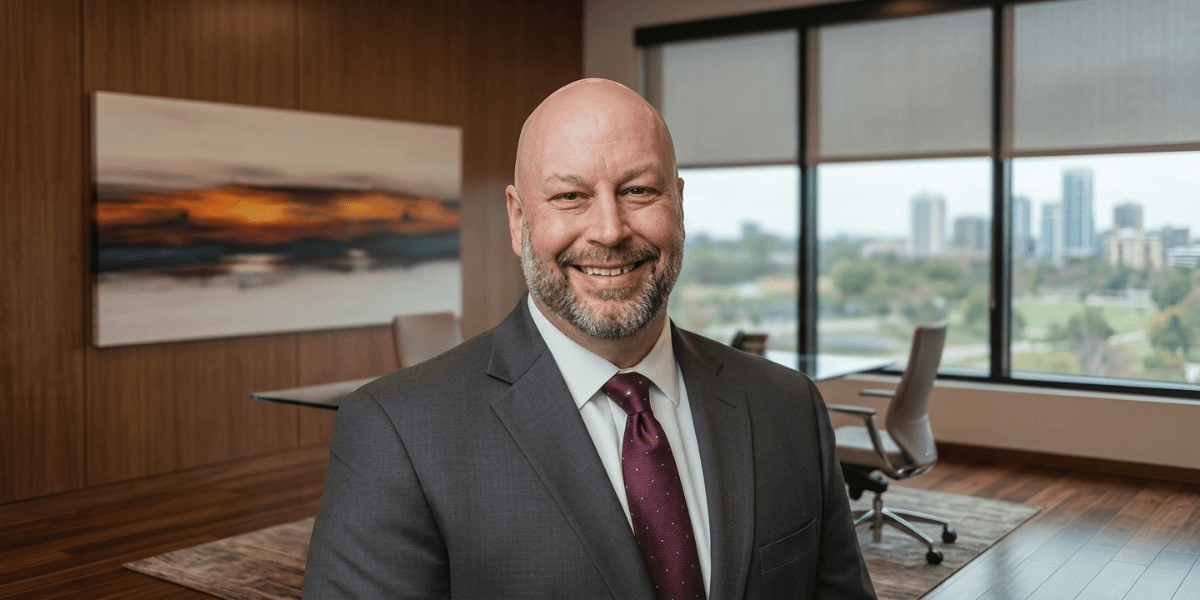
Heiko Gärtner shares reflections on professional pressure, clarity, and redefining success through the Waterfall Journey.
High achievers are often recognized for their ability to keep going. They meet deadlines, carry responsibility, make decisions under pressure, and continue performing even when life feels increasingly demanding. From the outside, this can look like discipline, focus, and resilience. Inside, however, the experience can be more complex.
For many professionals, the challenge does not always begin with a visible breakdown. It can begin with functionality.
They are still working. Still answering messages. Still showing up. Still producing results. Because of that, they may assume everything is under control. Yet a person can remain capable on the outside while quietly realizing that their pace, priorities, and routines no longer feel sustainable.
This quieter side of professional pressure is part of what Heiko Gärtner’s story helps bring into focus.
Before his work became connected to clarity, personal alignment, and purposeful living through the Waterfall Journey, Gärtner spent years in the demanding world of banking. It was an environment where speed, responsibility, and consistency were part of daily life. Like many ambitious professionals, he learned how to keep moving and meet expectations.
But the ability to keep moving is not always the same as feeling aligned with the life being built.
The Problem With Looking Capable
One reason professional strain can be difficult to recognize is that it often hides behind competence. The people most relied upon are not always the ones who visibly struggle. They may be the ones who appear organized, dependable, and composed.
They know how to handle pressure. They know how to keep commitments. They know how to remain available, even when their personal energy and sense of direction feel stretched.
This can create a misunderstanding. If performance remains steady, people may assume nothing needs to change. In reality, a person can continue producing results while privately questioning whether the pace they are maintaining still reflects their values, goals, or well-being.
For high performers, this becomes even more complicated because their identity is often tied to reliability. They are used to being the person who can handle things. Saying no may feel unfamiliar. Slowing down may feel inefficient. Rest may feel like something that must be earned after everything else is finished.
Over time, success can remain visible while the person behind it feels increasingly disconnected from the life they are living.
When Achievement Stops Feeling Meaningful
Achievement itself is not the issue. Ambition can be constructive, energizing, and meaningful. The challenge begins when achievement becomes disconnected from the person it is supposed to support.
Many professionals reach a point where they are still accomplishing things, but those accomplishments no longer feel as fulfilling as they once did. The next goal arrives quickly. The next responsibility takes shape. The next expectation appears before there has been time to reflect on whether the current path still feels right.
This is where success can quietly become more about maintenance than meaning.
A person may maintain the role, the schedule, the image, and the version of themselves that others have come to expect. They may keep building a life that looks impressive while wondering whether it still feels honest from the inside.
Gärtner’s path reflects this kind of realization. His experience led him to ask deeper questions about sustainability, purpose, and alignment. Rather than viewing achievement only through external measures, he began exploring what it means to build a life that feels coherent with one’s values and personal direction.
That reflection later became part of the philosophy behind the Waterfall Journey.
[IMAGE: https://bizweekly.com/wp-content/uploads/2026/06/download-9-3.png]
From Control To Coherence
When people realize that their current pace is no longer working for them, the first instinct is often to regain control. They may try to improve routines, manage schedules more efficiently, or create better systems around their responsibilities.
Those efforts can be useful, but Gärtner’s perspective points to a deeper question. What if the goal is not simply to become more efficient within the same structure? What if the structure itself needs to be reconsidered?
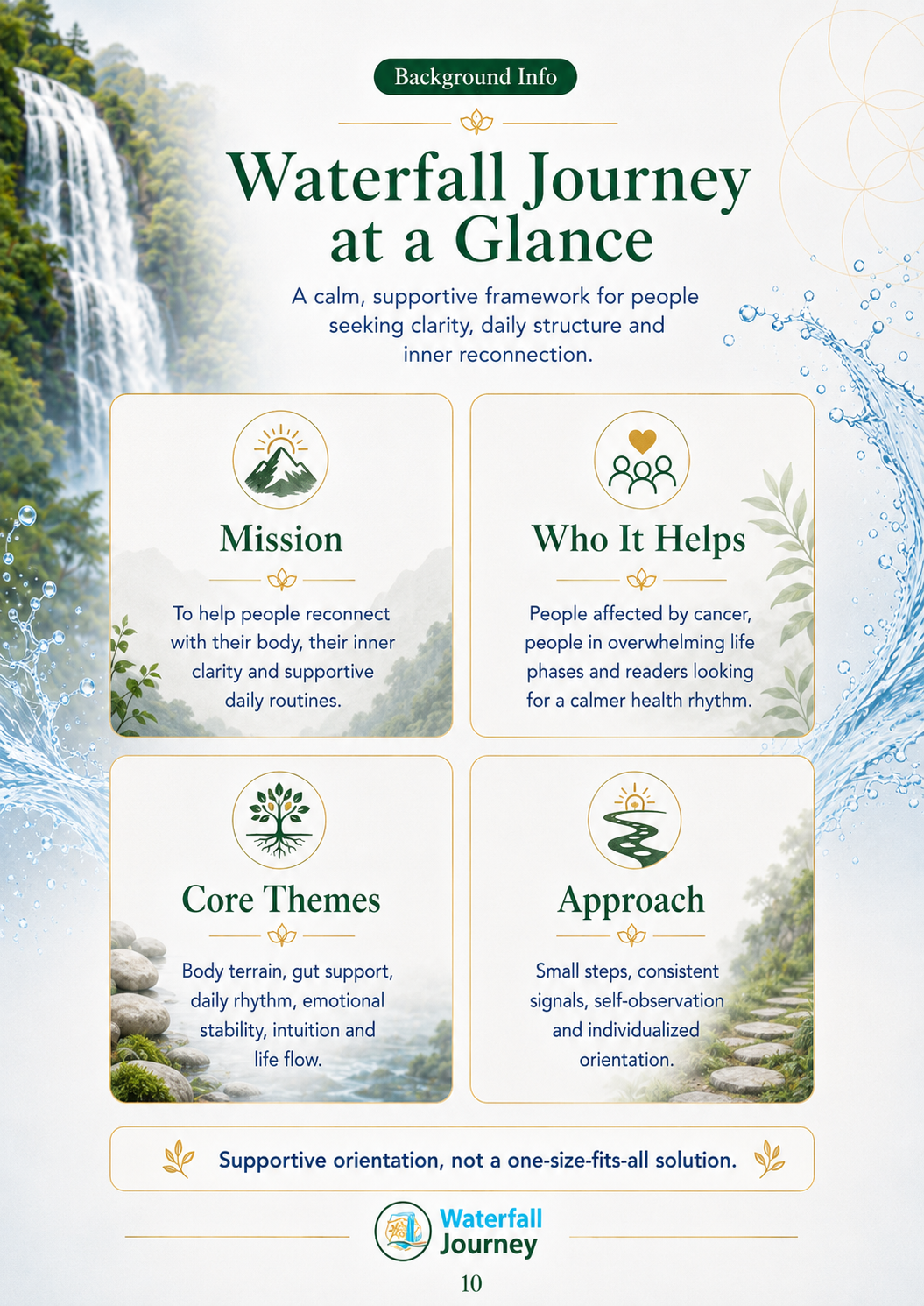
This is where the Waterfall Journey becomes relevant as a reflective framework. It presents personal growth not as another performance project, but as an invitation to pause, examine direction, and consider what kind of life can be sustained over time.
The focus is not on doing more. It is on understanding what belongs, what may no longer fit, and what kind of rhythm allows a person to move forward with greater clarity.
That distinction matters. A person can become more efficient without becoming more fulfilled. They can build better routines around the same pressures. They can optimize a path that no longer feels aligned.
Coherence asks different questions. Does this pace match the life I want to live? Does this work reflect my values? Am I building something I can fully inhabit, or only something I can continue performing? What expectations have I accepted without questioning whether they still belong?
Redefining Success With Intention
For many high achievers, one of the hardest parts of change is allowing success to mean something different. A person who has built their identity around endurance may struggle to see boundaries as responsible. Someone praised for being dependable may find it difficult to admit that their priorities need to shift. Someone used to external validation may feel uncertain when choosing a quieter or more intentional path.
But sustainable success requires more than momentum. It requires reflection, honesty, and the willingness to notice when a life no longer fits the person living it.
Gärtner’s story is not only about professional pressure. It is about the cost of staying functional while disconnected, and the possibility of reconsidering success from a place of greater clarity.
That is what makes his perspective relevant to many professionals today. The question is not only how to keep going. It is how to build a life where continued progress does not require losing sight of oneself.
A More Reflective Way Forward
The signs that something needs attention are not always dramatic. Sometimes they appear as quiet disinterest, constant busyness, a lack of space for reflection, or a version of success that no longer feels meaningful.
These signals matter because they invite people to pause and look more honestly at the life they are maintaining.
For Heiko Gärtner, that kind of honesty became part of a different path, one centered on clarity, balance, and purposeful living. Through the Waterfall Journey, he shares reflections and insights for people interested in stepping out of automatic achievement and considering a more intentional way to live and work.
To learn more about the Waterfall Journey and its focus on clarity, balance, and purposeful living, visit the official website. You can also connect with Heiko Gärtner on LinkedIn, Facebook, Instagram, and YouTube for ongoing reflections on intentional living and personal growth.

The Leader Report Contributor
Grace Patterson
Covers business, leadership, entrepreneurship, and noteworthy professionals across a range of industries.
This article features partner, contributor, or branded content from a third party. Members of the The Leader Report editorial staff were not involved in the creation of this content. All views and opinions are those of the contributor alone.
You may also like
Executive Standard Sanitation: From Humble Beginnings To Empowering Others

Slow Founders Get Slow Results. Your Business Moves at the Speed of your Decision-Making.

Beyond the Journey: How Moulay Hicham Aamalki Turns Travel, Healing, and Human Connection into Stories
Janet Walker Turned Creative Independence Into A Career Strategy

LockN Is Building A New Kind Of Social Financial Experience Around Goals, Accountability, And Community