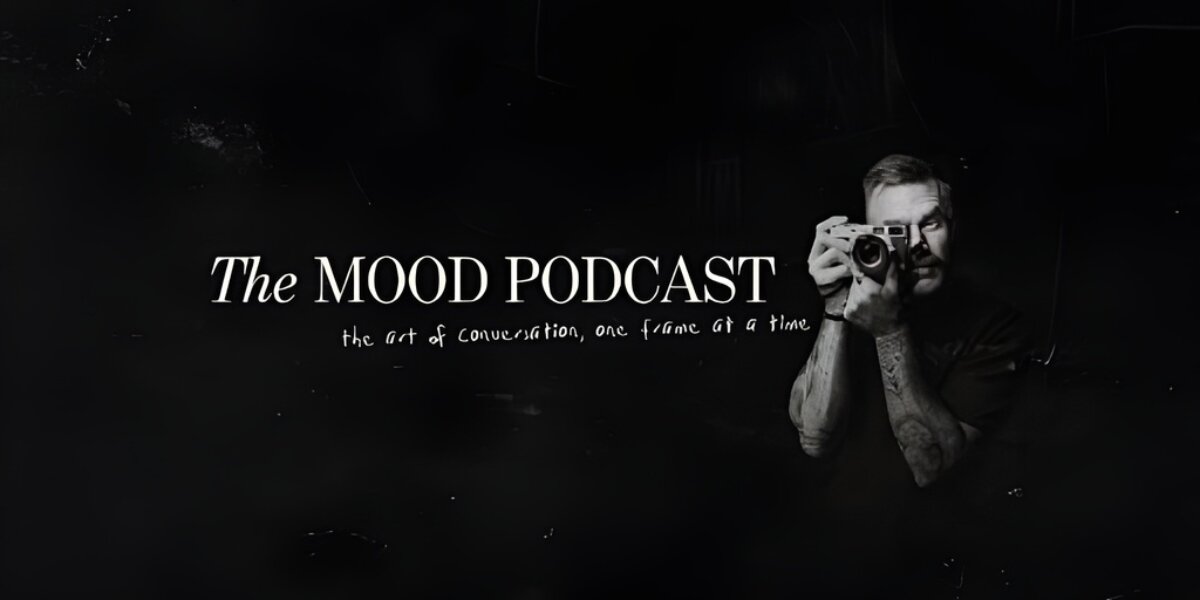
The MOOD Podcast with Matt Jacob explores creative authenticity through honest conversations that redefine success for modern artists.
In a media landscape often shaped by speed and spectacle, long-form conversations have become increasingly rare. Yet for many artists navigating modern creative industries, depth and reflection are precisely what feel missing. The MOOD Podcast, created and hosted by Matt Jacob, offers a space where those conversations can unfold without urgency or performance.
Rather than centering on tactics, trends, or technical instruction, the podcast focuses on the emotional and psychological dimensions of creative work. Episodes feature candid discussions with photographers, filmmakers, designers, and multidisciplinary artists about topics such as burnout, identity, growth, and the evolving definition of success.
At the core of the show is a simple but resonant premise: creativity is not only about output, but about the internal process behind it.
Slowing Down the Conversation
Many creators today operate in environments driven by metrics. Visibility is measured in views and engagement, and professional progress is often framed through numbers. While these systems can provide opportunity, they can also create pressure to prioritize performance over meaning.
The MOOD Podcast takes a different approach. Conversations are intentionally unhurried, allowing guests to reflect openly on both achievements and uncertainties. Moments of hesitation, self-doubt, and transition are not edited out; they are explored.
Matt Jacob describes the project less as a promotional platform and more as documentation. The goal is not to present a polished version of success, but to examine the ongoing process of building a creative life. This distinction shapes the tone of the podcast. Guests are not positioned as authorities delivering formulas. Instead, they are individuals sharing lived experiences in real time.
By removing the expectation of definitive answers, the podcast creates space for nuance. Listeners encounter stories of reinvention, recalibration, and resilience, themes that often remain behind the scenes in public-facing creative careers.
Redefining Success in Creative Work
One recurring theme throughout the series is the evolving definition of success. In the digital age, achievement is frequently equated with scale: larger audiences, increased recognition, commercial partnerships. Yet many artists who reach those milestones still confront questions about fulfillment and alignment.
The MOOD Podcast examines that tension. Guests speak about the difference between external validation and internal clarity. They discuss moments when professional growth did not necessarily translate into personal satisfaction, and how those experiences prompted reevaluation.
These conversations do not reject ambition. Instead, they expand it. Success, in this framework, becomes multidimensional. It may include financial sustainability and visibility, but it also encompasses creative integrity, emotional well-being, and long-term sustainability.
For emerging artists especially, this perspective offers balance. Rather than presenting a single model of achievement, the podcast highlights varied paths and individual definitions. The emphasis shifts from comparison to self-awareness.
Creativity as Identity
Beyond career strategy, the podcast delves into creativity as an extension of identity. Many artists intertwine their sense of self with their work. When inspiration slows or projects change direction, that connection can become a source of vulnerability.
Through open dialogue, guests reflect on creative seasons, periods of growth, pause, experimentation, or redirection. These transitions are framed not as setbacks but as natural components of an evolving practice.
This human-centered lens distinguishes the show from industry-focused programming. Technical mastery and market trends are secondary to personal development. By foregrounding the internal experience of creation, the podcast acknowledges that artistic work often mirrors broader life changes.
In doing so, it normalizes uncertainty. Rather than portraying creative careers as linear, the conversations highlight adaptation. Listeners are reminded that shifting interests, refining style, or even stepping back temporarily can be part of sustained artistic growth.
An Intentional Setting
The physical setting of the podcast reinforces its reflective tone. Filmed in a studio environment designed with cinematic lighting and immersive sound, each episode maintains visual consistency and calm. The atmosphere supports the style of conversation: grounded and attentive.
Production quality is present but understated. The focus remains on dialogue rather than spectacle. This balance contributes to a viewing experience that feels intimate without being intrusive.
With connections spanning both Bali and the United States, the podcast brings together voices from diverse creative communities. While the backgrounds of guests vary, the discussions often converge around shared themes: navigating visibility, maintaining authenticity, and sustaining motivation over time.
A Space for Reflection
As digital platforms continue to expand access to creative careers, the number of voices entering the conversation grows. Alongside opportunity, however, comes increased comparison and accelerated pacing. In this environment, slower formats can offer counterbalance.
The MOOD Podcast occupies that space. It does not position itself as a solution to industry pressures, nor does it promise definitive guidance. Instead, it contributes to an ongoing dialogue about what it means to create with intention.
By centering honesty over performance and process over polish, the podcast reflects a broader shift within creative culture. Many artists are reevaluating not only what they produce, but why they produce it.
In capturing those reflections, The MOOD Podcast serves as a record of a particular moment in creative work, one where success is being reconsidered, and where authenticity is increasingly valued alongside achievement.
For artists and observers alike, these conversations offer insight into the lived realities behind the finished product. And in an era defined by rapid consumption, that slower, more deliberate exploration may be its most meaningful contribution.
Tune in today: