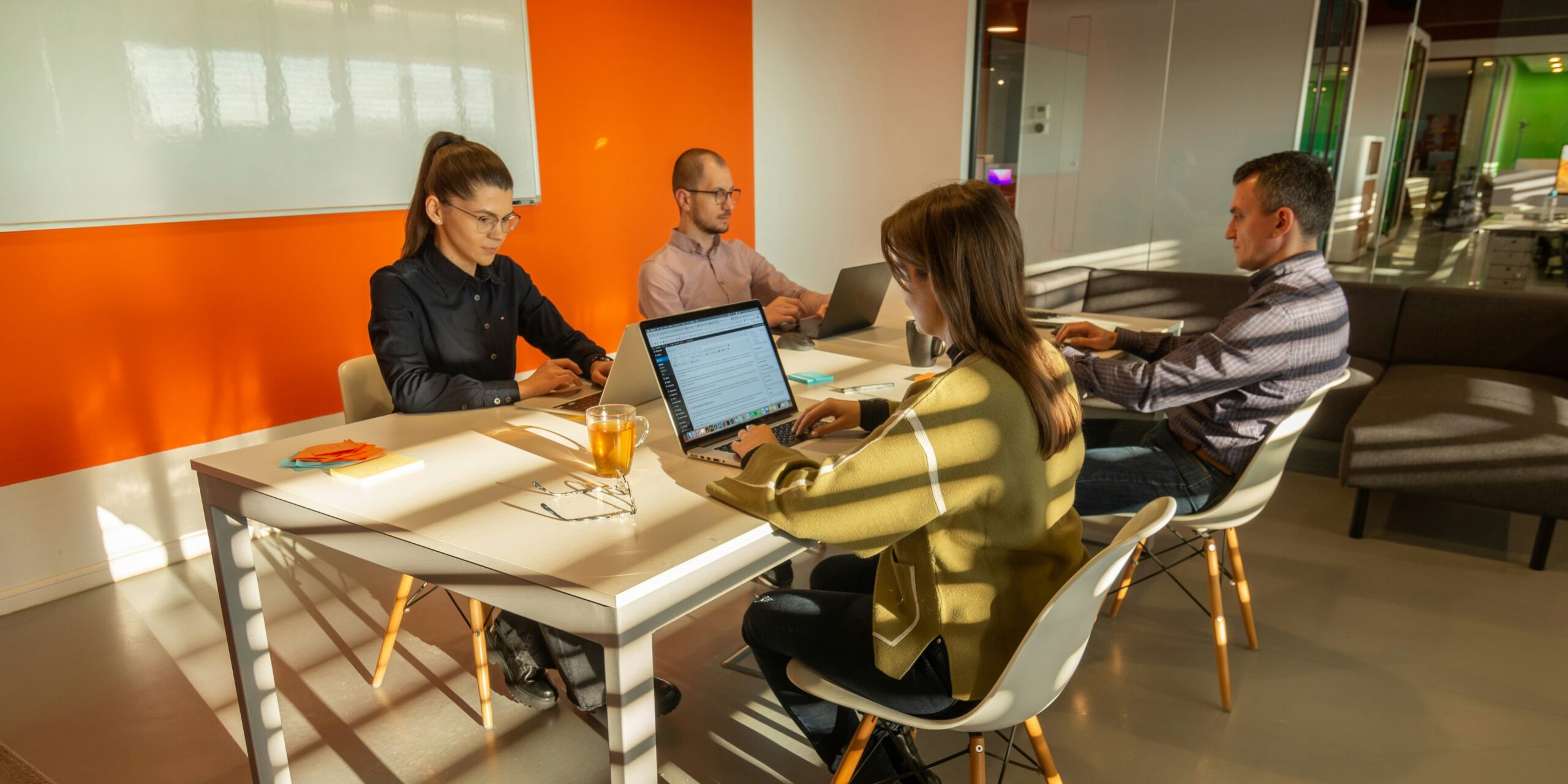
As we progress into 2026, a significant workplace trend is taking shape—co-working spaces are experiencing a resurgence, driven by the shifting dynamics of work culture in the wake of the pandemic. Major employers, particularly in industries like healthcare and technology, are embracing co-working environments to support flexible, hybrid work models that cater to the evolving needs and preferences of their employees. This renewed interest in shared office spaces is not just a passing trend, but rather a reflection of the broader changes occurring in the way people approach their work-life balance and career goals.
Once associated primarily with startups and freelancers, co-working spaces have become a central element in the modern corporate world. Employers are increasingly recognizing the advantages of offering employees the ability to work in flexible, shared spaces that accommodate a range of work styles. The shift toward these environments reflects broader corporate efforts to align with employee expectations and adapt to economic uncertainties that continue to shape the post-pandemic landscape. By providing greater flexibility, co-working spaces cater to workers’ increasing desire for autonomy over their work environments, allowing them to choose spaces that best suit their needs for concentration, collaboration, or creative thinking.
Career experts have highlighted that co-working spaces offer more than just flexibility—they provide valuable networking opportunities that can drive innovation and career growth. In a shared office space, professionals from diverse industries interact regularly, creating a fertile ground for cross-industry collaboration and knowledge-sharing. This is particularly advantageous for employees working in fields like healthcare, technology, and creative industries, where collaboration and new ideas are essential. Networking in these spaces can open doors to potential partnerships, career opportunities, and even side projects that might not arise in a more traditional office setting. For many, the chance to connect with professionals from various backgrounds and skill sets is one of the most compelling reasons to opt for co-working environments.
The hybrid work model, which blends remote work with in-office attendance, is increasingly becoming the preferred mode of working for many employees. This model offers the flexibility of working from home when desired, coupled with the collaborative benefits of coming into a shared office space for meetings, brainstorming sessions, or team-building activities. Many employees find that this combination allows them to maintain higher levels of productivity, satisfaction, and well-being. Co-working spaces fit seamlessly into this hybrid model, providing a flexible, on-demand office option that complements remote work and supports a variety of work needs without the constraints of a traditional office environment.
Co-working spaces represent a shift in the fundamental nature of the workplace. They reflect a growing movement away from fixed, traditional office structures and toward spaces that offer more freedom, adaptability, and options for employees. As businesses seek to reduce the costs associated with maintaining large, permanent office spaces, co-working environments offer a cost-effective solution. These spaces allow companies to rent out flexible office spaces as needed, accommodating fluctuating staffing levels and providing employees with the opportunity to work in locations that best suit their tasks for the day. In this way, co-working spaces contribute to a more efficient use of resources while enhancing employee satisfaction.
In addition to supporting work-life balance, co-working spaces are becoming an essential part of the new “mobility” trend in the workforce. In today’s increasingly digital world, the notion of being tied to a single, permanent office location feels outdated. Employees now seek the freedom to work from various locations—whether that’s at home, in a café, or in a co-working space. These environments not only offer the benefits of a professional, productive setting but also provide a sense of community that might otherwise be missing when working from home or other remote locations. For many, the ability to switch between different work environments—while staying connected to a broader professional network—is key to maintaining motivation and engagement in their careers.
The flexibility and collaborative benefits offered by co-working spaces make them a valuable tool for both employers and employees. For companies, the ability to provide employees with access to these spaces helps them remain competitive in attracting top talent who are looking for flexibility and autonomy. For workers, these spaces offer a chance to work in an environment that fosters creativity, collaboration, and networking, all while maintaining a better work-life balance. As more companies embrace hybrid work models, the demand for co-working spaces is expected to grow, reflecting broader shifts in how work is structured and where it takes place.
In conclusion, co-working spaces are experiencing a resurgence in 2026 as companies and employees alike adjust to the post-pandemic realities of the modern workplace. The rise of these shared office spaces highlights the growing demand for flexibility, autonomy, and community in the workplace. As businesses continue to embrace hybrid work models, co-working environments are becoming essential in providing a balance of remote and in-office work, while also fostering collaboration, networking, and creativity. This trend is likely to continue as companies recognize the benefits of these adaptable spaces, and as employees increasingly seek work environments that prioritize both professional growth and personal well-being.