Samurai courage and matcha help modern leaders manage fear, enhancing decision-making under pressure.
For centuries, Japan’s samurai have been revered for their extraordinary ability to maintain composure in high-stakes situations. Historical accounts of these warriors describe their remarkable capacity to make clear decisions in moments of extreme uncertainty, with their courage not defined by fearlessness, but by their ability to act despite it.
A central ritual in their preparation for battle was the consumption of matcha, a finely powdered green tea. This practice was believed to help focus the mind, enabling the samurai to achieve clarity when decisions were most critical.
In recent years, scientists have taken a keen interest in this ancient tradition, examining whether matcha’s effects might have a physiological basis.
At the heart of this investigation is L-theanine, an amino acid naturally abundant in the shade-grown tea leaves used to produce ceremonial matcha. Neurophysiological research has shown that L-theanine may influence brain activity, particularly those areas associated with relaxation, sustained attention, and emotional regulation.
Unlike caffeine, which sharply stimulates the nervous system, L-theanine appears to induce a neurological state characterized by calm alertness. Brain imaging studies have linked this compound to increased alpha-wave activity, a pattern commonly observed during deep concentration or meditation. These brain waves are associated with a state of relaxed awareness, the ideal condition for maintaining composure under pressure.
This neurological balance—between relaxation and heightened focus—may offer an explanation as to why matcha has historically been linked to meditation, strategic thinking, and disciplined mental clarity.
In the brain, emotional responses such as fear are processed in the amygdala, which triggers the body’s fight-or-flight response. Meanwhile, the prefrontal cortex manages higher cognitive functions, including decision-making and behavioral regulation.
Cognitive resilience, as it turns out, depends on the interplay between these two regions, allowing emotional signals to be processed without overwhelming rational judgment. Research suggests that L-theanine may support this crucial interaction, enhancing mental clarity while the brain processes emotional stimuli.

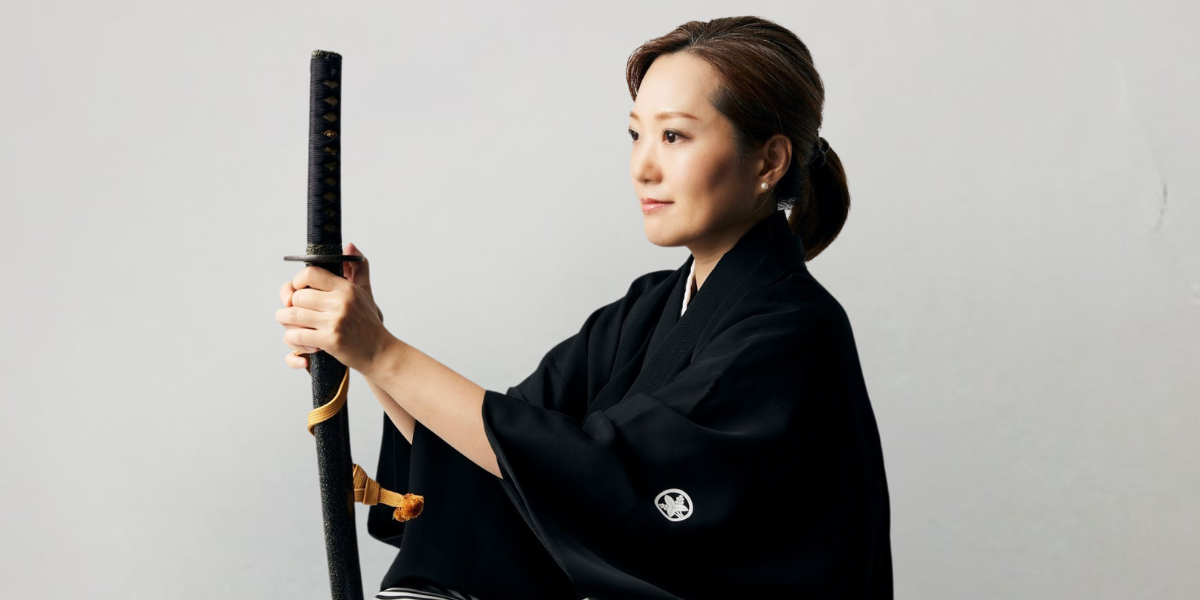
For Machiko Gozen, the last samurai woman and the founder of the Gozen matcha tradition, the growing scientific interest in matcha mirrors practices passed down through her family for 13 generations.
“Matcha was traditionally consumed before moments requiring clear judgment,” she explains. “It was not just a drink—it was a means to quiet emotional noise while keeping the mind alert.”
In addition to the physiological effects of matcha, the environment in which it is cultivated plays a role in shaping its unique chemical properties. Gozen Bio Matcha, grown in the volcanic mountains of Kagoshima in southern Japan, is produced using microbiome-focused farming methods. These systems encourage beneficial microorganisms to interact naturally with tea plants, potentially influencing the development of compounds such as amino acids, catechins, and plant metabolites.
Increasingly, researchers believe that plant–microbe relationships in soil may influence the nutritional and functional qualities of tea. Beneath healthy soil lies a complex ecosystem of bacteria and fungi that interact with plant roots, helping regulate nutrients and plant resilience. In tea cultivation, these interactions may affect how plants produce compounds such as polyphenols and amino acids, potentially shaping both the flavor profile and the health-supporting properties of the final tea.
As interest in nutritional strategies for stress management and cognitive performance grows, matcha is gaining attention within the emerging field of neuro-nutrition. Researchers are increasingly studying how compounds found in matcha—such as L-theanine, catechins, and naturally occurring caffeine—may interact to support focus, calm alertness, and mental clarity. This combination of nutrients appears to influence brain signaling pathways linked to attention and mood regulation. What began centuries ago as a quiet ritual practiced by Japan’s samurai and Zen monks is now being examined through the lens of modern neuroscience. Today, scientists and nutrition experts are exploring how traditional foods like matcha may contribute to cognitive resilience in fast-paced modern environments. In this way, a centuries-old cultural practice is finding new relevance, bridging historical wisdom with contemporary research into how the brain maintains clarity under pressure.